Key Takeaways
- The Ryder Cup pits the United States against Europe; the Presidents Cup pits the U.S. against an International team excluding Europe.
- The Ryder Cup dates to 1927; the Presidents Cup was established in 1994.
- Both events use match play format across foursomes, four-ball, and singles sessions.
- The Ryder Cup is held every two years; so is the Presidents Cup, on alternating years.
- The United States has dominated the Presidents Cup historically, while the Ryder Cup has been far more competitive.
- Neither event offers world ranking points or prize money to competing players.
Option A
The Ryder Cup
Golf's oldest and most fiercely contested team rivalry.
Best for: Fans who want the sport's most historically charged, highest-stakes team atmosphere.
Option B
The Presidents Cup
The expanding global alternative with an international all-stars format.
Best for: Fans who want broader international representation and a newer, growing tradition.
If you want the most dramatic, historically loaded team golf event
The Ryder Cup
With nearly a century of history and an almost even all-time record, the Ryder Cup delivers unmatched tension and crowd energy.
If you want to see a wider range of international golf stars compete
The Presidents Cup
The International team draws players from across Asia, Africa, Oceania, and the Americas outside Europe, broadening golf's global showcase.
If you're a casual fan looking for an accessible introduction to team golf
The Presidents Cup
The Presidents Cup's lopsided history makes individual matches easier to follow, and the event tends to be less frenetically pressured than the Ryder Cup.
If you want to witness golf rivalries that have defined athletes' careers
The Ryder Cup
The Ryder Cup has produced some of the sport's most iconic moments and rivalries, shaping how legends of the game are remembered.
Origins and History
The Ryder Cup was born in 1927, the brainchild of British seed merchant Samuel Ryder, who funded a formal match between American and British golfers after an informal 1926 game at Wentworth proved irresistible. For decades it remained a U.S. vs. Great Britain affair - almost entirely one-sided in America's favor. In 1979, the field expanded to include the full European continent, and the modern era of genuine competition began. Europe has won multiple times since, making the overall record historically close.
The Presidents Cup arrived in 1994 under the PGA Tour's stewardship, designed to give non-European international players a comparable team stage. Hosted alternately in the U.S. and abroad, it has grown steadily in prestige, though the United States has won the vast majority of editions. Understanding how team-based competition structures work across sports - including how standings and divisions shape rosters and rivalries - adds useful context; see our piece on how sports standings differ between conferences and divisions for broader perspective.
Format and Structure
Both events use match play format, where holes rather than total strokes determine the winner. Each contest spans three days and features a mix of foursomes (alternate shot, two players per side), four-ball (best ball, each player plays their own ball), and singles matches. The points totals differ slightly: the Ryder Cup requires 14½ points to win from 28 total; the Presidents Cup runs to 30½ from 30 available points after an expanded format change. In the event of a tie, the current holder retains the trophy.
One structural distinction worth noting: the Presidents Cup includes a singles "sudden death" playoff provision if the overall match ends level - a procedure the Ryder Cup has only rarely needed to address. Captains for both events are appointed rather than elected, typically former elite players who carry strategic and motivational authority over their squads.
| Criterion | Ryder Cup | Presidents Cup |
|---|---|---|
| First held | 1927 | 1994 |
| Teams | USA vs. Europe | USA vs. International (non-Europe) |
| Frequency | Every 2 years (odd years) | Every 2 years (even years) |
| Points to win | 14½ of 28 | 15½ of 30 |
| All-time competitiveness | Highly contested | U.S. dominant |
| Prize money | None | None |
| World ranking points | Not awarded | Not awarded |
| Organizer | Ryder Cup Ltd / PGA of America | PGA Tour |
Competitive Intensity and Legacy
The Ryder Cup's reputation for pressure is unparalleled in golf. Players who regularly contend for major championships have openly described Ryder Cup singles as among the most nerve-shredding rounds they've ever played. The crowd atmosphere - particularly in Europe - rivals any team sport environment. This intensity is partly a product of genuine parity; neither side has dominated over the long arc of the modern era.
The Presidents Cup has faced criticism that U.S. dominance reduces competitive drama. Proponents counter that the event serves a broader purpose: elevating players from markets where golf is growing - South Korea, South Africa, Australia, Japan - onto a world stage that the Ryder Cup cannot offer them. That tension between individual excellence and collective identity is something our editorial explores further in individual vs. team sport athlete demands.
1927
Year the Ryder Cup was established
The event predates the Presidents Cup by nearly seven decades, giving it unmatched historical depth.
~14-1
U.S. vs. International Presidents Cup record
As of recent editions, the United States has won or tied all but one Presidents Cup, held in 1998 by the International team.
28
Total points contested in the Ryder Cup
Across foursomes, four-ball, and 12 singles matches, 28 points are available over three days of play.
The rivalries that define athletes are often born in moments like a Ryder Cup singles showdown - high-pressure head-to-head matches that linger in a career's legacy long after the result is decided.
What Sets Them Apart for Fans
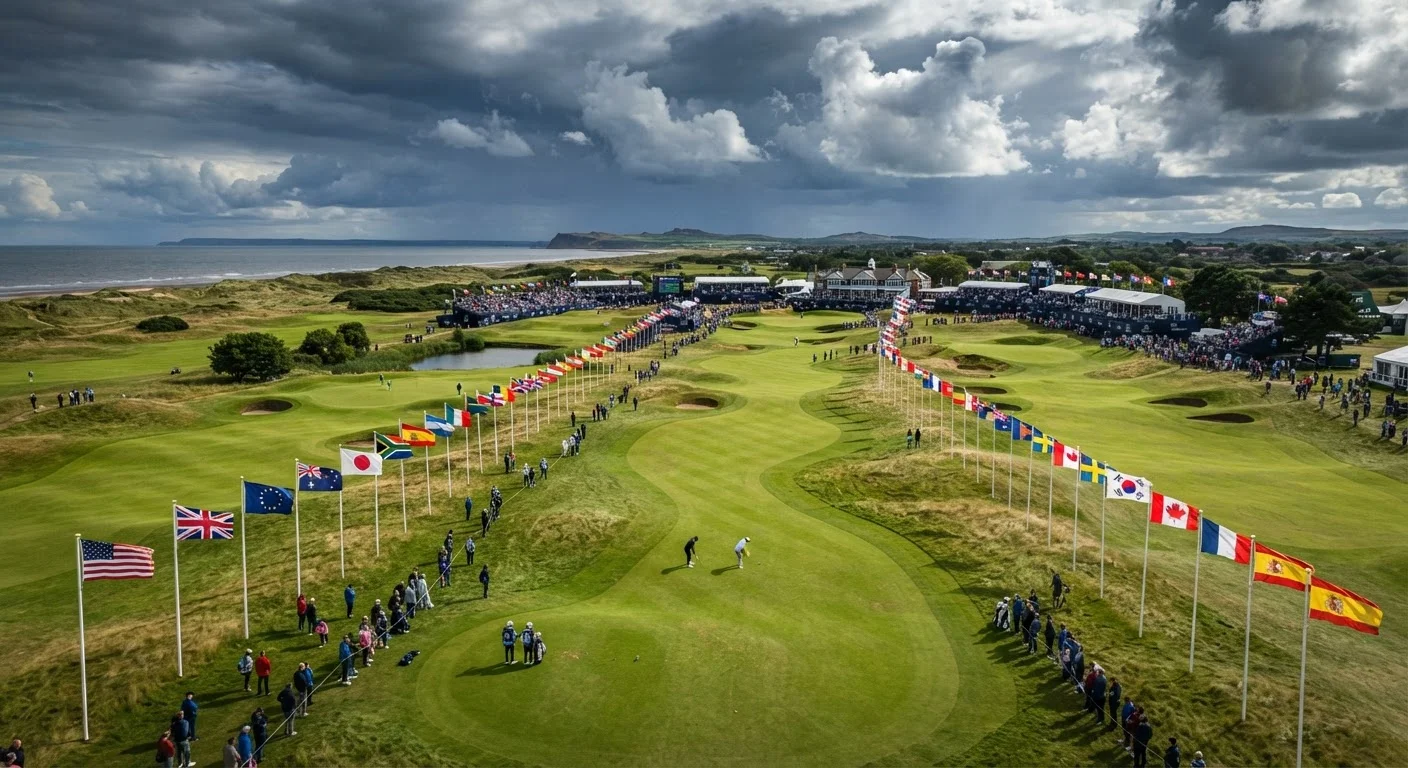
From a fan's perspective, the events offer genuinely different experiences. The Ryder Cup is louder, more tribal, and more historically freighted - attending or watching often feels more like a football rivalry than a typical golf Sunday. The Presidents Cup is more measured in atmosphere, but offers a broader geographic showcase and, in many ways, a more accessible entry point for newer golf fans.
Neither event awards world ranking points or prize money to players, which underscores that both competitions run on national and continental pride alone. That makes the stakes feel purer - and the effort players visibly pour into each match all the more compelling.
No Prize Money - By Design
Unlike stroke-play events on the PGA Tour or DP World Tour, neither the Ryder Cup nor the Presidents Cup offers players prize money. Participants compete purely for national or continental pride and team honors. Any funds generated by the events are distributed to the governing bodies and used to support golf development programs.