

Key Takeaways
- Concert ticket prices are driven by multiple factors, not just artist popularity alone.
- Dynamic pricing algorithms can cause ticket costs to spike within minutes of going on sale.
- Venues and promoters share revenue with artists, creating layered cost structures.
- The resale market amplifies prices further, often beyond what primary sellers charge.
- Limited venue capacity is a structural constraint that keeps supply tight against massive demand.
Concert Ticket Pricing
Concert ticket pricing refers to how event organizers, venues, and resellers set the cost fans pay to attend live music shows. Prices are shaped by a mix of artist popularity, venue size, production costs, and market demand. In recent years, algorithmic tools that adjust prices in real time - similar to airline fares - have become increasingly common in ticketing.
The practice of adjusting ticket prices based on real-time demand signals is known as dynamic pricing. It differs from traditional fixed-price ticketing and can cause prices for identical seats to vary significantly within hours.
The Economics Behind Every Ticket
When you buy a concert ticket, you're not just paying for two hours of music. You're funding a sprawling economic ecosystem that includes the artist's performance fee, the promoter's margin, the venue's operational costs, and the ticketing platform's service fees. Each layer takes a cut, and those cuts add up fast.
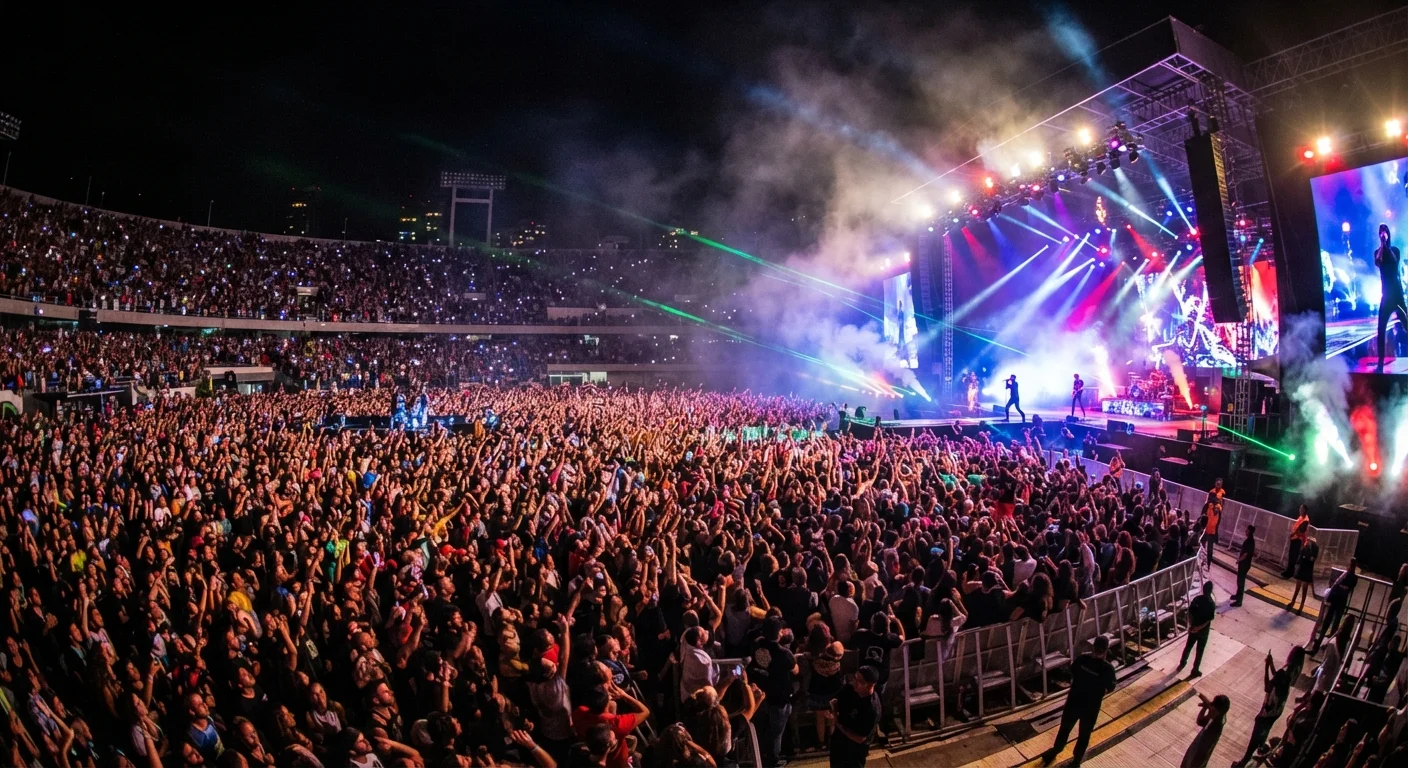
Venues - especially older arenas and amphitheaters - have fixed capacities. That structural ceiling on supply means that when an iconic artist announces a tour, demand routinely outstrips availability within minutes. Basic economics does the rest: scarce supply plus enormous demand equals higher prices.
Production costs have also climbed steeply. Modern stadium tours involve elaborate stage rigs, LED screens, pyrotechnics, union labor, and extensive logistics. Artists like Beyoncé and Taylor Swift have mounted productions that cost tens of millions of dollars per tour leg. Those expenses get priced into tickets before a single seat is sold.
~$122
Average US concert ticket price in 2023
According to data cited by Pollstar, the average North American concert ticket price has more than doubled over the past decade.
73%
Of touring revenue comes from ticket sales
Industry analysts estimate the vast majority of a major artist's touring income derives directly from ticket revenue rather than merchandise or sponsorship.
2x-5x
Typical resale markup for sold-out shows
Secondary market data consistently shows that high-demand concerts command resale prices 200% to 500% above original face value.
Dynamic Pricing: The Algorithm in the Room
Perhaps nothing has reshaped the ticketing landscape more visibly than dynamic pricing. Ticketing platforms now use algorithms that monitor demand signals in real time - how many people are on the site, how quickly seats are moving, regional interest patterns - and adjust prices accordingly. A ticket listed at $85 at 10:00 a.m. might display at $220 by 10:15 a.m. if demand spikes.
This practice is borrowed directly from airline revenue management and mirrors what happens in other markets. Dynamic pricing across retail and entertainment is now widespread, but its application to live events has generated particular controversy because fans feel blindsided by price jumps during the purchase process itself.
Proponents argue that dynamic pricing shifts revenue from scalpers back to artists and venues. Critics counter that it transfers money from fans directly to platforms without improving the experience. Both points have merit, and the debate is ongoing in industry and policy circles.
Time Your Purchase Strategically
Dynamic pricing algorithms respond to crowd behavior - the moment a sale opens is often the peak of demand and therefore the peak of algorithmic pricing. Checking back a few days after the initial on-sale rush can sometimes reveal prices that have stabilized or dropped slightly as the surge subsides. This isn't guaranteed, but it's worth considering for non-sold-out shows.
The Resale Market and Why It Amplifies Everything
Even when primary prices are kept in check, the secondary market operates by its own rules. Resellers - from individual ticket flippers to large-scale brokers - buy up inventory and list it at whatever the market will bear. For high-demand shows, that can mean markups of 200% to 500% above face value.
Resale platforms justify their existence by providing liquidity: fans who can't attend can recoup some cost, and last-minute buyers can still find seats. But the net effect for the average concert-goer is a price ceiling that feels out of reach. The secondary market essentially auctions off scarcity, and scarcity is exactly what the live music business produces.
Understanding these price dynamics shares some DNA with how market volatility works in financial markets - in both cases, sentiment, information asymmetry, and limited supply create rapid price swings that can feel irrational from the outside.
What This Means for the Future of Live Music
The live music industry is grappling with real tension: prices that are increasingly prohibitive for casual fans, while core audiences remain willing - and financially able - to pay almost anything to see their favorite artists perform. That split is reshaping who gets to attend concerts at all.
Some artists and industry voices are pushing back, capping resale prices, offering direct-to-fan presale access, or experimenting with verified fan systems designed to block mass scalping. The results have been mixed, but the conversation signals that the industry is aware the current trajectory has limits.
For fans planning their first major show, understanding this landscape is part of the experience. First-time concert-goers can benefit from knowing what to expect well before they reach the box office. And for those curious about how artists craft the experience once you're inside, how a setlist is structured adds a whole new layer of appreciation to the show.
Ticket Pricing Varies Widely by Genre and Market
The dynamics described in this article apply most strongly to high-demand mainstream pop, rock, and hip-hop events. Genre, geographic market, and venue type all significantly influence pricing patterns. A regional folk festival and a global stadium pop tour operate under very different economic conditions, and not all live music experiences carry premium price tags.