

Key Takeaways
- Retailers use algorithms to adjust prices continuously based on demand, inventory, and competitor activity.
- Your location, device, and browsing history can influence the price you're shown.
- Dynamic pricing is legal and widespread across e-commerce, travel, and entertainment.
- Price history tools can provide useful context, though they have real limitations.
- Understanding how pricing systems work helps you make more informed purchase decisions.
Dynamic Pricing
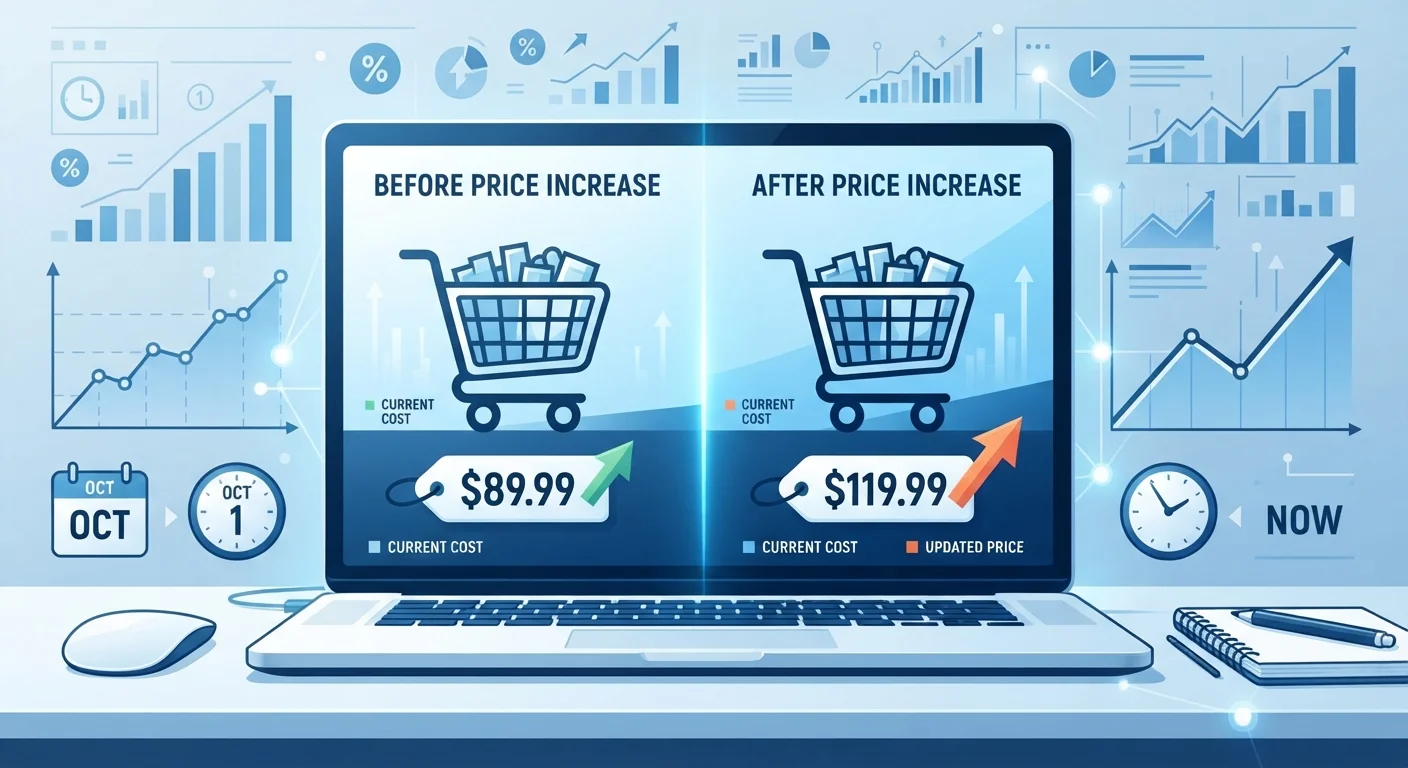
Dynamic pricing is a strategy where sellers automatically adjust the price of a product or service in real time based on factors like demand, inventory levels, competitor prices, time of day, and even your browsing behavior. Rather than posting a fixed price and leaving it, retailers use algorithms to continuously recalculate what to charge. This means the price you see for an item today might be higher or lower than what someone else sees - or what you saw an hour ago.
Dynamic pricing systems typically rely on machine learning models that ingest real-time data feeds including web traffic, conversion rates, competitor scraping, and session-level signals to generate price recommendations at high frequency.
How Dynamic Pricing Actually Works
At its core, dynamic pricing is supply-and-demand economics automated at scale. A retailer's pricing algorithm monitors a continuous stream of data - how many units are in stock, how many people are currently viewing the product page, what competing sellers are charging, and how recently the item sold - and uses that data to set the displayed price at any given moment.
The speed at which this happens is the part that surprises most shoppers. Large e-commerce platforms are known to update prices on individual items multiple times within a single hour. The algorithm isn't waiting for a weekly sale cycle; it's responding to real-time signals around the clock.
Demand is the most significant driver. When traffic spikes for a product - say, after a viral review or a news mention - the algorithm often nudges the price upward because it interprets that interest as willingness to pay. When demand softens, prices may drop to stimulate purchases and prevent inventory buildup.
Millions/day
Price changes on major e-commerce platforms
Industry analyses have documented that large online retailers adjust individual product prices millions of times daily across their full catalogs.
~80%
US online shoppers aware prices change frequently
Surveys by consumer research groups have found a large majority of online shoppers recognize that e-commerce prices are not static, though fewer understand the full mechanism.
1-2 hrs
Typical repricing interval for high-demand items
Pricing analytics firms have observed that fast-moving consumer electronics and seasonal products are frequently repriced within single-hour windows during peak demand periods.
What Signals Influence the Price You See
Dynamic pricing isn't always uniform. The price displayed can vary depending on factors tied to you specifically, not just the product itself.
- Location: Retailers may charge different prices based on your ZIP code or region, reflecting local competition, logistics costs, or estimated purchasing power.
- Device and browser: Some platforms have been found to display different prices to mobile versus desktop users, or between browsers with and without prior shopping history.
- Session behavior: If you've visited a product page multiple times without buying, the system may read that as strong intent - and some algorithms respond by holding the price steady or increasing it slightly.
- Time of day or week: Demand patterns are predictable. Prices for travel and entertainment, for instance, often climb on Tuesday evenings when searches peak ahead of weekend plans.
It's worth noting that not every retailer uses all of these signals, and the degree of personalization varies widely. But the possibility is real enough to factor into how you approach high-consideration purchases. Online and in-store pricing can diverge for related reasons - understanding both dynamics helps you shop more strategically.
What Shoppers Can Do With This Knowledge
Awareness of dynamic pricing doesn't mean you need to game the system. It means you can set more realistic expectations and make better-timed decisions.
First, use context to evaluate a price. A price that looks like a deal may simply reflect a temporary dip in demand, not a genuine markdown. Understanding what constitutes actual savings versus a reference-price discount is a useful skill here.
Second, track price history before committing to big purchases. Browser extensions and third-party tools record historical price data for many products, giving you a benchmark to judge whether today's price is actually lower than usual. Price history tools have real strengths and real limitations - know both before relying on them.
Third, recognize that some product categories follow more predictable seasonal cycles than others. Research into seasonal price patterns suggests that planning purchases around those cycles - rather than reacting to any single price flash - tends to yield more consistent results.
Try a Private Browsing Window
If you're researching a high-cost item, consider checking the price in a private or incognito browser window alongside your regular session. Some pricing systems use session data as an input, and removing that variable occasionally surfaces a different price. This isn't guaranteed to work - and results vary by retailer - but it costs nothing to check.
Dynamic pricing is a structural feature of modern retail, not a bug or a trick. It's a rational response by sellers to real-time market conditions. Knowing how it works puts you in a better position to decide when to buy and when to wait.