

Key Takeaways
- Gaming content creation is now a recognized profession with structured income pathways on major platforms.
- Most successful creators diversify across multiple revenue streams rather than relying on a single source.
- Building an audience typically takes months to years of consistent, high-quality output.
- Platform algorithms, community moderation, and copyright rules all shape what creators can produce.
- Only a small percentage of streamers achieve full-time income - the economics are competitive and variable.
Gaming Content Creator
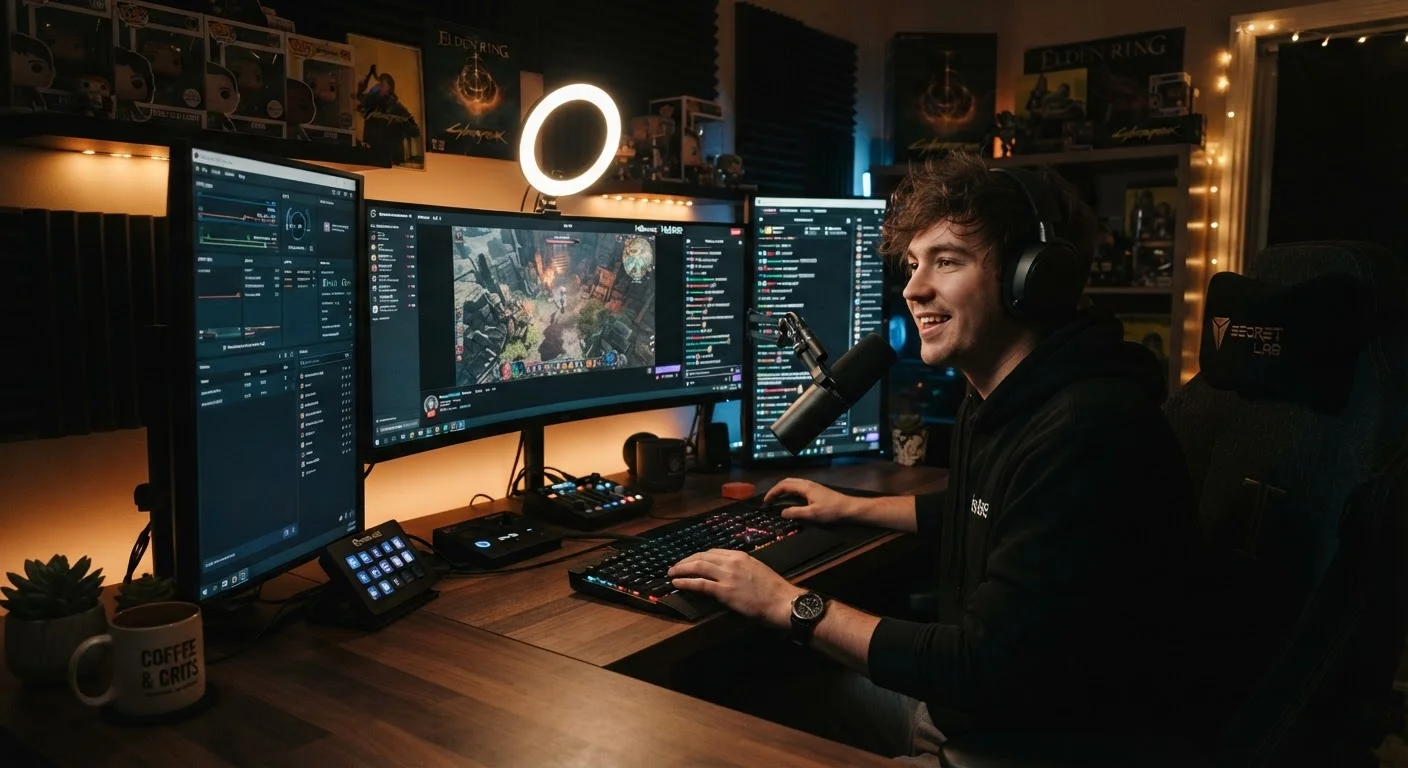
A gaming content creator is someone who records, streams, or edits video game footage and shares it with an audience online - often as their primary occupation. They build communities around their personality, gameplay style, or expertise, typically on platforms like Twitch, YouTube, or Kick. Income comes from multiple streams including subscriptions, donations, advertising revenue, and sponsorships.
Creators who stream live are distinguished from those who produce edited video-on-demand (VOD) content, though many do both. Monetization eligibility on most platforms is tied to follower thresholds and consistent streaming hours.
From Hobby to Profession: How Streaming Changed Everything
A decade ago, getting paid to play video games full-time was widely considered a fantasy. Today, it's a documented career path with professional infrastructure, platform-backed monetization programs, and dedicated audiences in the tens of millions. The shift happened gradually, then all at once - driven by faster home internet, the rise of Twitch in the early 2010s, and a generation of viewers who found watching gameplay just as engaging as playing themselves.
What changed most fundamentally was the economics. Platforms introduced tools that let creators monetize directly: subscriber buttons, tipping systems, ad revenue splits, and affiliate programs. Suddenly, a dedicated audience of even a few thousand viewers could translate into a viable income - not a fortune, but enough to justify the time investment.
Live streaming on gaming platforms created a feedback loop that no previous entertainment format had quite managed: creators and audiences interact in real time, building community bonds that keep viewers coming back beyond the game itself.
7M+
Active streamers on Twitch at peak periods
Twitch's own published data has reported millions of unique broadcasters active on the platform, reflecting how broadly streaming participation has grown.
~$50K
Estimated median annual income for mid-tier streamers
Industry analysts and creator economy researchers generally estimate that mid-tier creators with engaged audiences of 10,000-100,000 can reach this range, though income varies substantially.
Top 1%
Share of creators earning the majority of platform revenue
Research on creator platforms consistently finds that revenue distribution is highly concentrated among a small percentage of top-performing channels.
The Business of Being a Gaming Creator
Treating content creation as a business is what separates casual streamers from those who sustain it long-term. Revenue rarely comes from one source. A typical full-time creator might earn through platform subscriptions, ad revenue, brand deal payments, merchandise, and crowd-funding platforms like Patreon - each contributing a different slice of total income.
Brand sponsorships deserve particular attention. Gaming peripheral companies, energy drink brands, and game publishers frequently pay creators to feature their products during streams or in videos. These arrangements vary widely in structure, from one-off paid mentions to long-term ambassador deals. Creators are generally required by the Federal Trade Commission (FTC) to disclose paid partnerships, which adds a layer of transparency audiences have come to expect.
Diversify Revenue Before You Need To
Creators who rely on a single income stream - say, platform ad revenue alone - are vulnerable when algorithms shift or advertiser rates drop. Building multiple revenue sources early, even at small scale, creates more resilience over time. Many established creators recommend treating the business side of content creation as seriously as the creative side from day one.
The competitive reality is stark: studies of streaming platform data consistently show that the vast majority of total viewing hours concentrate among a relatively small top tier of creators. Breaking into that tier requires not just skill at games, but skill at content - editing, pacing, thumbnail design, community management, and cross-platform promotion.
What the Creator Experience Actually Looks Like
The visible product - a polished stream or an entertaining YouTube video - understates the labor behind it. Successful creators typically spend significant time outside of gameplay on scheduling, community moderation, video editing, social media, brand negotiations, and analytics review. Many describe it as running a small media company with a one-person production team.
Platform policies shape what creators can do and say on-screen. Content moderation rules, copyright claims on background music, and game publisher streaming policies all create boundaries that creators must navigate. How streaming platforms approach content moderation is a topic creators engage with regularly, since violations can result in content removal or channel suspension.
The audience relationship is also a defining feature of the job. Unlike broadcast television, gaming creators interact directly with their viewers through live chat, community Discord servers, and social platforms. That parasocial connection - where viewers feel a genuine bond with a creator they've never met - is both the foundation of the career and one of its most complex dynamics to manage responsibly.
The Broader Cultural Landscape
Gaming content creation doesn't exist in isolation. It sits within a wider ecosystem that includes esports and competitive gaming, which draw massive live and streamed audiences to organized tournaments. Top-tier streamers often move fluidly between casual content creation and competitive commentary or event coverage.
The format is also influencing adjacent entertainment sectors. Sports broadcasters have studied how gaming streams engage younger audiences, and some traditional media companies now operate gaming content divisions. Cloud gaming developments are further blurring lines, as streaming a game and streaming yourself playing it increasingly happen within the same platform ecosystems.
Platform Terms Change - Stay Informed
Streaming and content platforms periodically update their monetization policies, revenue share structures, and community guidelines. What works economically or creatively on a platform today may be subject to different rules in the future. Creators who stay informed about platform updates are better positioned to adapt without disrupting their income or community.
For general consumers, understanding gaming content creation means understanding a significant portion of how younger generations consume entertainment today. Whether you're a viewer, a parent, or simply curious about where digital culture is heading, the rise of the gaming creator represents one of the cleaner examples of how technology and community can turn a pastime into a profession.