

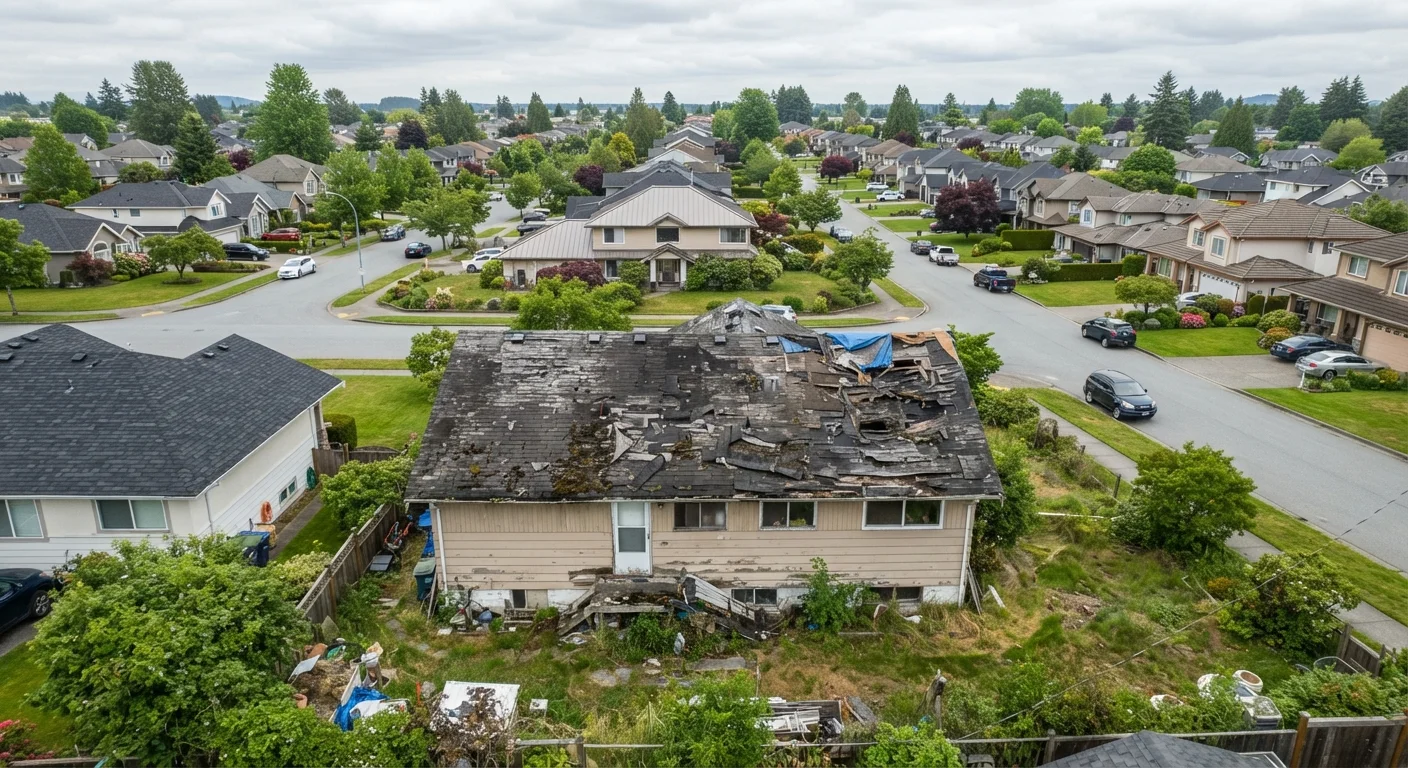
Key Takeaways
- A damaged roof allows water intrusion that can ruin interior upgrades quickly.
- Addressing the roof first protects the investment in every other home improvement.
- Signs of roof trouble include missing shingles, stained ceilings, and granule-filled gutters.
- Roof repairs often require licensed contractors and may need local permits.
- Ignoring roof problems can affect homeowners insurance claims and coverage eligibility.
Roof Integrity
Roof integrity refers to a roof's ability to fully protect a home from water, wind, and the elements - with no gaps, failing materials, or compromised structure. A roof with strong integrity keeps moisture out, supports insulation performance, and shields the home's interior systems from damage. Without it, other improvements are vulnerable from day one.
Roofing professionals assess integrity using terms like flashing condition, decking soundness, and granule loss on asphalt shingles - each indicating how well the roof can manage water intrusion over time.
Why the Roof Comes Before Everything Else
When homeowners plan improvements, the excitement usually gravitates toward visible upgrades - a remodeled kitchen, new flooring, or a fresh bathroom. But a home's roof is the single system that protects everything inside it. Starting any meaningful upgrade project without first confirming the roof is sound is a bit like repainting a room with a leaking ceiling: the results won't hold.
Water is the primary threat. A compromised roof - even one with damage that seems minor from the outside - can allow moisture to seep into wall cavities, attic spaces, and subfloors. That moisture creates conditions for mold growth, wood rot, and structural weakening, all of which can silently destroy finished work that cost thousands of dollars. As our guide on repairs that should never wait explains, small problems compound fast when left unchecked.
Schedule a Roof Inspection Before Planning Upgrades
Before committing budget to any interior or exterior renovation, have a licensed roofing professional assess the current condition of your roof. Even a roof that looks fine from the ground can have flashing failures, soft spots, or compromised ventilation that only a trained eye will catch. This one step can prevent costly surprises down the road.
Addressing the roof first isn't pessimistic - it's practical. It establishes a dry, stable envelope that makes every subsequent upgrade more durable and more valuable.
What Roof Damage Actually Looks Like
Roof problems aren't always obvious from the street. Homeowners should look for these common indicators:
- Missing, cracked, or curling shingles - exposed areas allow direct water entry.
- Granules in gutters - asphalt shingles shed their protective coating as they age, and granule buildup signals a roof nearing end of life.
- Water stains on ceilings or upper walls - discoloration often follows an active or past leak path.
- Sagging areas on the roof surface - may indicate weakened or rotted decking underneath.
- Daylight visible in the attic - gaps in the roof deck are a clear sign of integrity failure.
If you're uncertain, a professional inspection by a licensed roofing contractor is the most reliable way to assess what you're working with. Keep in mind that weather conditions also affect what work is feasible - something worth understanding if you're in a colder climate. See our article on roof repair in cold weather for more context.
20-30 years
Typical lifespan of asphalt shingle roofs
General industry guidance from roofing trade associations; actual lifespan varies by climate, installation quality, and maintenance.
#1
Roof ranked as top home inspection concern
Home inspectors consistently identify roof condition as one of the most frequently flagged issues during residential real estate transactions.
The Financial Logic of Roof-First Prioritization
Homeowners often ask whether roof work offers a good return on investment compared to more glamorous renovations. The answer requires reframing what ROI actually means in the context of home improvements. As our explainer on what ROI means for home improvements points out, value isn't only about resale - it's also about protecting what you've already spent.
A roof that fails after a kitchen remodel can cause water damage to new cabinetry, flooring, and appliances. The repair costs for secondary damage often exceed what it would have cost to address the roof proactively. Additionally, an aging or damaged roof can affect homeowners insurance in ways that limit coverage for future interior claims - a risk worth understanding before any major project. Learn more about that dynamic in our article on how upgrades interact with homeowners insurance.
Permits and Licensed Contractors Matter Here
Roof replacement and significant repair work commonly require building permits and must be performed by licensed contractors in most U.S. jurisdictions. Working without permits can create complications when selling your home or filing insurance claims. Always verify local requirements with your municipal building department before proceeding.
Building Your Upgrade Plan From the Roof Down
Once a roof's condition is confirmed or repaired, homeowners are in a much stronger position to prioritize what comes next. A sound roof also improves the performance of attic insulation - a high-impact upgrade that depends on a dry, sealed structure above it. Our guide on attic insulation as a high-impact upgrade explains how that relationship works and what homeowners can realistically expect.
From there, a room-by-room strategy helps direct effort and budget toward the areas that deliver the most meaningful improvements. Our room-by-room upgrade priority guide offers a practical framework for sequencing projects after the structural foundation is secure.
The roof isn't the most exciting place to start, but it is the most logical one. A home with a reliable roof is a home where every other upgrade can actually deliver on its promise.
This article is for general informational purposes only. Always consult a licensed roofing contractor and verify local permit requirements before beginning roof repair or replacement work.