

Key Takeaways
- Open-box items have had their packaging opened but are not always used or damaged.
- Condition grading labels vary by retailer and are not standardized across the industry.
- Warranty coverage on open-box products is often shorter or different from new-item coverage.
- Always ask what the return policy is specifically for open-box purchases before buying.
- The discount should reflect the actual risk and condition - a small markdown rarely justifies lost protections.
Open-Box Item
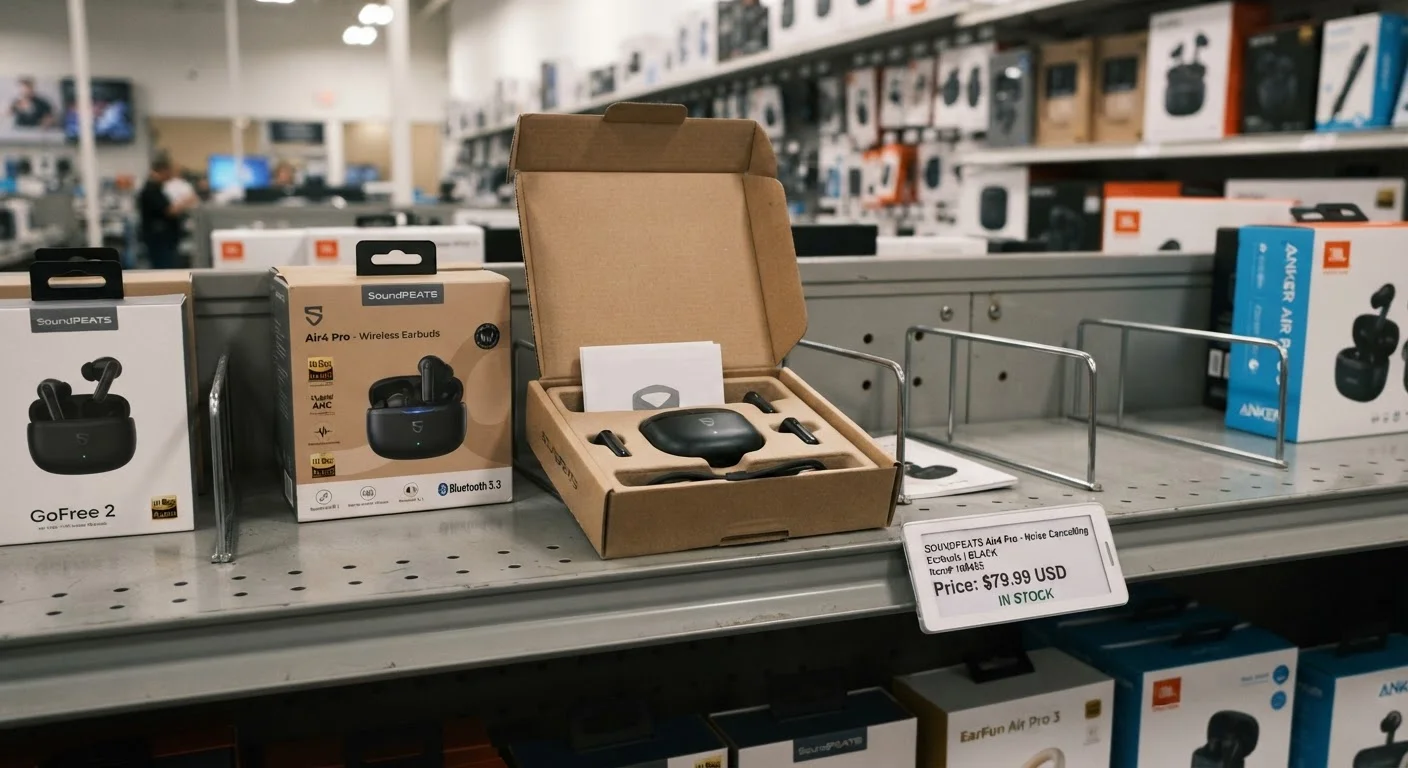
An open-box item is a product that has been returned to a retailer after its original packaging was opened, or one that was used as a store display. The item is then resold, typically at a reduced price, rather than being restocked as new. Open-box does not automatically mean damaged or used - but it does mean the product's history is less certain than a factory-sealed unit.
Open-box is distinct from 'refurbished,' which involves inspection and repair by a manufacturer or certified technician. Open-box items may receive little to no inspection before being relisted for sale.
Why 'Open Box' Covers a Lot of Ground
The phrase 'open box' sounds straightforward - someone opened the box. But the actual condition of that product can range from untouched-except-for-packaging to returned-after-a-month-of-heavy-use. Retailers use the term to cover several distinct scenarios:
- Customer returns: A buyer changed their mind, and the item came back in opened packaging.
- Display units: The product was used on a showroom floor. (These have their own specific trade-offs - see what to know about floor models.)
- Damaged packaging: The product itself is new, but the box arrived dented or torn in shipping.
- Defective returns: The customer reported a problem. The item may or may not have been repaired before relisting.
Because these scenarios carry very different risk profiles, the label 'open box' alone tells you almost nothing useful. What matters is whether the retailer has graded the item, what that grade actually means, and what protections carry over to you as the next buyer.
Open Box Is Not the Same as Refurbished
Refurbished products have typically been inspected, repaired if necessary, and certified to meet performance standards - often by the manufacturer or an authorized service partner. Open-box items receive no such standardized process. If inspection and quality assurance matter to you, look for items specifically labeled 'manufacturer refurbished' or 'certified refurbished' rather than simply 'open box.'
The Condition Grade Problem
Many retailers assign condition labels - 'like new,' 'excellent,' 'good,' 'fair' - to open-box inventory. The problem is these grades are not standardized. A retailer's 'excellent' might mean cosmetically perfect with all accessories included. Another retailer's 'excellent' might mean it powers on and isn't visibly cracked.
Condition grades on open-box and refurbished goods vary enough across retailers that the grade itself shouldn't be taken at face value - the underlying criteria matter more than the label.
~10-30%
Typical open-box discount range
Consumer electronics retailers commonly price open-box items 10-30% below new, though this varies widely by category, condition grade, and retailer policy.
1 in 3
Products returned to retail stores
Industry estimates suggest roughly one in three online purchases is returned, creating a large pool of open-box inventory - much of which is resold rather than destroyed.
Before accepting any grade, ask or look for answers to these questions:
- Was the item inspected before relisting, and by whom?
- Are all original accessories, cables, and documentation included?
- Was the return reason documented - and if so, what was it?
- Has any repair or refurbishment been done?
Warranty and Return Policy: What Actually Changes
This is where open-box purchases most commonly trip buyers up. Manufacturer warranties frequently start from the original purchase date - not from when you buy the open-box unit. If a product sat in a return queue for two months before you bought it, that's two months already gone from a one-year warranty.
Some manufacturers will honor a warranty transfer, while others won't - and store warranties offered on open-box items are often shorter than the original. It's worth understanding how return policy fine print works before you assume you have the same protections as a new-item buyer.
Ask About the Return Reason Before Buying
Staff at physical retail locations can sometimes tell you why an item was returned - 'customer changed mind' is very different from 'customer reported it wasn't working.' This information isn't always volunteered, so ask directly. For online open-box listings, look for return reason disclosures in the product description or condition notes.
Return windows for open-box items are also frequently compressed. A retailer that offers 30 days on new products may offer 15 days - or none - on open-box. Some charge restocking fees that can eat into the discount significantly.
When an Open-Box Item Is Worth Considering
There are situations where the math works in the buyer's favor - but it requires more active evaluation than buying new.
An open-box item is more worth considering when:
- The discount is substantial relative to the new price - not a token 5-10% markdown.
- The condition grade is specific and verifiable, with documented criteria from the retailer.
- The item is something where cosmetic wear doesn't affect function - small appliances, certain tools, audio equipment.
- The remaining warranty coverage is adequate for your needs.
- The return policy gives you a meaningful window to test the item.
It's a harder case to make for high-stakes purchases - medical devices, safety equipment, or anything where unknown prior use history creates meaningful risk. The same skepticism that applies to certified pre-owned vs. used labels applies here: the label is a starting point, not a guarantee.
Ultimately, evaluating an open-box item is an exercise in understanding what you're giving up against what you're saving. The factors that determine whether a deal is actually worth taking go beyond the discount percentage - and open-box decisions are no exception.