

Key Takeaways
- Athletes curate a public image that rarely reflects the full complexity of their private lives.
- Media scrutiny and fan expectations create intense pressure on athletes beyond the field of play.
- Mental health challenges among elite athletes are more common than public narratives often suggest.
- Social media has blurred - but not eliminated - the line between athletes' public and private selves.
- The support teams behind athletes play a critical role in managing both performance and personal well-being.
Public vs. Private Athlete Identity
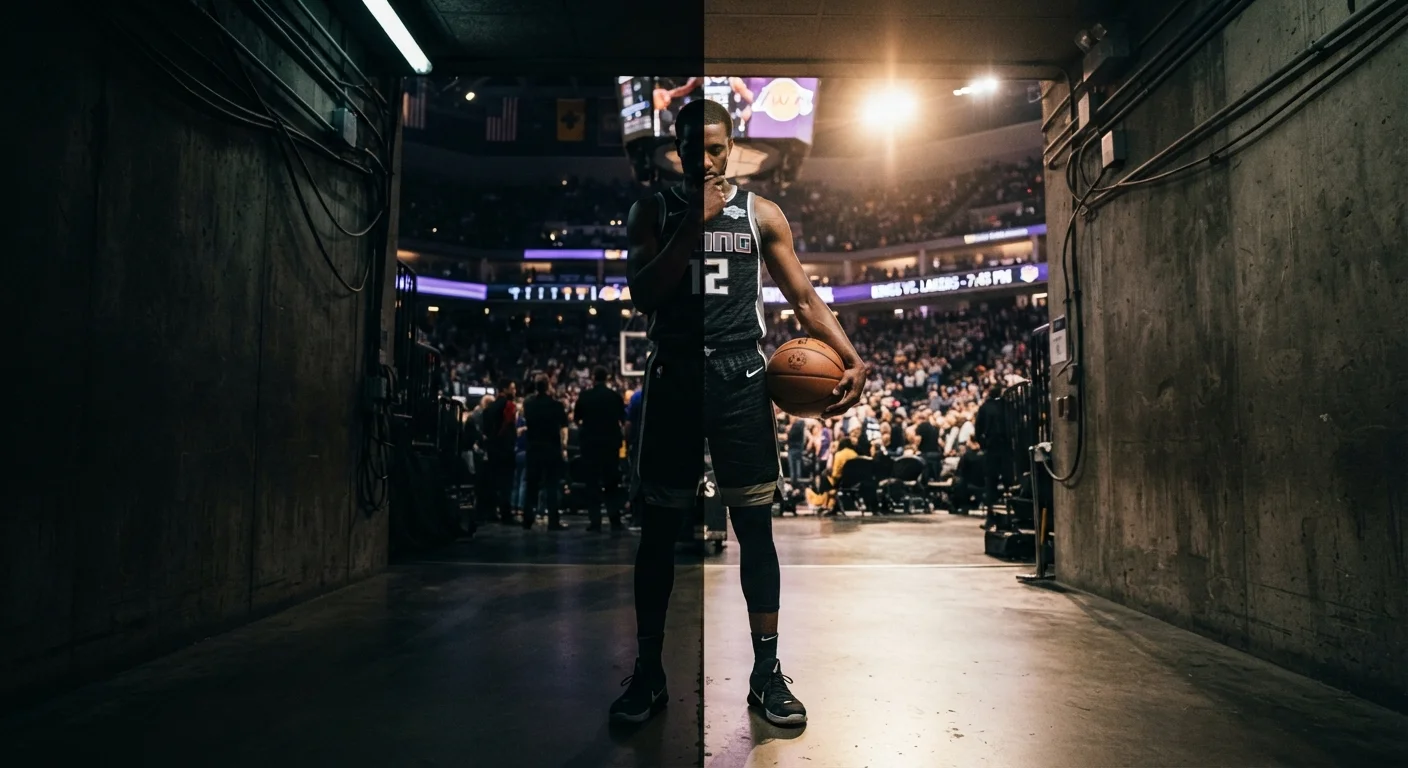
Professional athletes maintain two distinct personas: a public-facing image shaped by media appearances, social platforms, and on-field performance, and a private self that includes personal relationships, mental health realities, and everyday life pressures. These two identities often diverge significantly. Understanding this gap helps fans appreciate the full human complexity behind the jersey.
Sports psychologists refer to this separation as 'persona management' - a conscious or adaptive process where athletes compartmentalize public performance identity from authentic private selfhood.
The Stage Is Always On
From the moment a player enters the professional arena, their life becomes partially public property - at least in the eyes of fans and media. Postgame press conferences, brand endorsements, and social media feeds construct a version of an athlete that is visible, polished, and purposeful. But that version is rarely the complete picture.
The public persona is built through repetition: the champion's mentality quote after a tough loss, the charitable foundation announcement, the carefully lit Instagram post. These elements are real, but they're also selected. Athletes and their teams make deliberate choices about what to show and what to protect. As explored in our look at athlete media navigation, managing public image has become a professional discipline in its own right.
35%
Elite athletes reporting mental health struggles
Research published in sports medicine literature estimates roughly one-third of elite athletes experience clinically significant mental health symptoms at some point in their careers.
~7 years
Average length of a professional sports career
Career length varies by sport, but most professional athletes face retirement while still in their 30s, compressing life decisions that others spread across decades.
72%
Athletes who use social media to shape public image
A Nielsen Sports survey found the large majority of professional athletes use social media platforms as a primary channel for personal brand and image management.
What the Cameras Don't Capture
Behind the curated highlight reels lies a reality most fans rarely see. Athletes deal with contract uncertainty, relationship strain from relentless travel schedules, the psychological weight of slumps, and the anxiety of knowing their career window is finite. Contract-year pressure adds another layer - the awareness that performance directly determines financial security.
Mental health struggles in particular have emerged as a significant issue. High-profile athletes across multiple sports have openly discussed anxiety, depression, and burnout in recent years. These disclosures, while brave, represent only a fraction of what many athletes experience privately. The mental skills that define elite performance are real - but so are the mental health costs that can accompany an elite sporting career.
For Fans: Context Changes Perspective
Understanding the private pressures athletes face doesn't diminish the game - it deepens it. When a player underperforms, the reality may involve injury management, personal hardship, or mental fatigue invisible from the stands. Holding space for that complexity makes for a richer, more honest sports experience.
Identity Beyond the Jersey
One of the least-discussed private pressures athletes face is the challenge of maintaining a full identity outside their sport. When sport becomes the center of someone's life from adolescence onward, it can be genuinely difficult to know who you are when the game isn't being played. This identity fusion - where athlete and person become nearly synonymous - creates psychological vulnerability, particularly around injury and retirement.
Athletes who have crossed sporting boundaries, like those profiled in dual-sport careers, often demonstrate a broader sense of self that can serve as a buffer against this vulnerability. The support staff behind elite athletes - including mental skills coaches and sports psychologists - increasingly work to help athletes build identity resilience alongside physical performance.
Authenticity in the Age of Social Media
Social media promised something new: direct access to athletes, unfiltered by journalists or PR teams. In practice, it has created a more sophisticated layer of persona management. An athlete's Instagram story feels intimate, but it's still a choice - a frame chosen from dozens of alternatives. What looks spontaneous is frequently strategic, as explained in discussions of how athlete brands are built and maintained.
That doesn't make it dishonest. Athletes who use platforms to speak on social issues often do so with genuine conviction. The medium shapes the message, but the humanity behind it is real. The gap between public persona and private person isn't necessarily a deception - it's a negotiation between self-protection and self-expression that most people manage, just without millions of followers watching.
“Athletes are not public property. They are people who happen to perform in public. That distinction matters enormously for how we treat them.”
— Carlin Flora, Author and psychology journalist covering fame and identity