Key Takeaways
- The worst record in the NFL earns the first overall pick, not the best record.
- Draft order resets every season based on that year's final standings.
- Teams can trade draft picks - even future ones - to move up or down the board.
- Compensatory picks are awarded to teams that lost more free agents than they signed.
- Playoff teams always pick in the bottom half of each round, preserving competitive balance.
NFL Draft Order
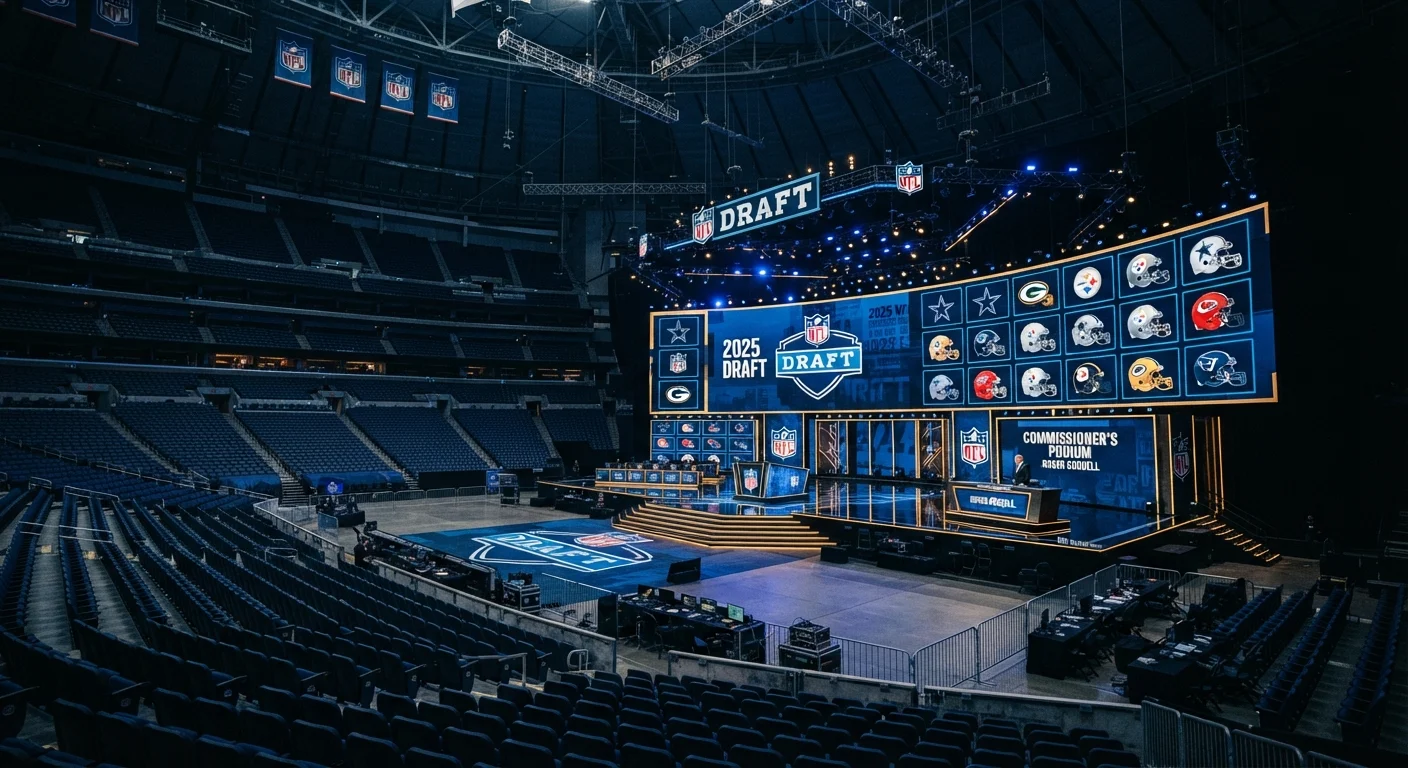
NFL Draft order determines the sequence in which all 32 teams select college players each spring. The system runs in reverse standings order - the team with the worst regular-season record picks first, and the Super Bowl champion picks last. This structure repeats across all seven rounds of the draft.
Tiebreakers between teams with identical records are resolved using strength of schedule, conference record, and other criteria defined in the NFL's collective bargaining agreement.
Why the Worst Teams Pick First
The NFL Draft operates on a simple but powerful premise: the teams that struggled most deserve the first shot at the next generation of talent. After each regular season concludes, all 32 franchises are ranked from worst record to best, and that ranking becomes the draft order for every round.
The team finishing last overall selects first - the coveted "No. 1 overall pick." The Super Bowl champion, having already proven dominance, picks 32nd. This structure repeats through all seven rounds, though traded picks shuffle the actual slot order considerably.
The logic is straightforward competitive balance: elite college prospects - the quarterbacks, pass rushers, and receivers who define careers - become available first to the franchises that need them most. It's a deliberate equalizer built into the league's foundation. For a deeper look at how the postseason works alongside this system, see how the NFL playoff bracket forms.
7
Rounds in the NFL Draft each year
All seven rounds follow the same base reverse-order structure, with each team receiving one pick per round before trades are factored in.
~250
Total players selected annually
Between the 224 standard picks and compensatory selections, approximately 250 college players are drafted into the NFL each spring.
32nd
Pick slot held by the Super Bowl champion
The defending champion picks last in every round, reflecting their position as the league's top team from the previous season.
Trades, Future Picks, and Moving the Board
Draft position is not fixed - it's a tradeable commodity. Teams can swap picks within the current draft or deal away selections from future drafts, sometimes years in advance. A rebuilding franchise might offer a veteran player plus a future first-round pick to jump to a higher slot and secure a franchise quarterback. Conversely, a contending team might trade down, collecting extra picks to fill depth.
This trading ecosystem makes the draft unpredictable and strategic. General managers must weigh immediate need against long-term asset accumulation. Moving up costs picks; moving down gains them. Some of the most consequential deals in NFL history have involved picks that wouldn't be used for two or three seasons.
“Draft picks are the lifeblood of NFL roster building. Teams that consistently identify value - whether picking first or twenty-first - are the ones that sustain competitive windows over multiple seasons.”
— Mike Tannenbaum, Former NFL General Manager and ESPN analyst
Many fans underestimate just how complex the pick-trading landscape gets. Common misconceptions about how sports drafts are run covers why casual observers often misread what's actually happening on the clock.
Compensatory Picks: An Extra Layer
Beyond the standard 32 picks per round, the NFL awards compensatory picks to teams that lost more qualifying free agents than they signed during the offseason. The formula weighs the contract value and playing time of departed players against incoming signings, and the league assigns additional selections - typically placed at the end of rounds three through seven.
These picks can't be traded in most circumstances, but they represent meaningful opportunities, especially for teams that invest heavily in developing talent only to watch those players leave in free agency. A team rebuilding through the draft may accumulate several compensatory picks across multiple rounds, significantly expanding its draft class.
Track Compensatory Picks Before Draft Day
The NFL typically announces compensatory pick allocations several weeks before the draft. Following those announcements helps fans understand why certain teams hold significantly more picks than others heading into draft weekend. Official league release schedules are posted on NFL.com each spring.
For fans watching the draft unfold live, understanding compensatory picks explains why some teams seem to have far more selections than others. A fan's field guide to watching the NFL Draft breaks down the full terminology and flow across all three days.
How This Compares to Other Sports
The NFL's straight reverse-order system differs notably from basketball and hockey, which use weighted lotteries to prevent teams from deliberately chasing the worst record. In the NFL, the connection between final standings and draft slot is direct - no ping-pong balls involved.
This directness is both a strength and a criticism. It creates clean accountability and transparency, but it also fuels debates about late-season tanking. Teams out of playoff contention in December face little reason to win games that may cost them a top-five pick. How NBA and NHL draft lotteries work offers a useful contrast for fans curious how other leagues handle the same challenge.