
Key Takeaways
- The NBA and NHL both use weighted lotteries to assign top draft picks to non-playoff teams.
- Teams with worse records receive higher odds in the lottery, but the outcome is never guaranteed.
- The NBA expanded its lottery in 2019 to flatten odds and reduce incentives for tanking.
- In the NHL, only the top two picks are determined by lottery; the rest follow reverse-standings order.
- Traded draft picks mean a lottery selection can ultimately benefit a completely different franchise.
- The lottery is separate from the full draft - only the earliest picks are randomized.
Draft Lottery
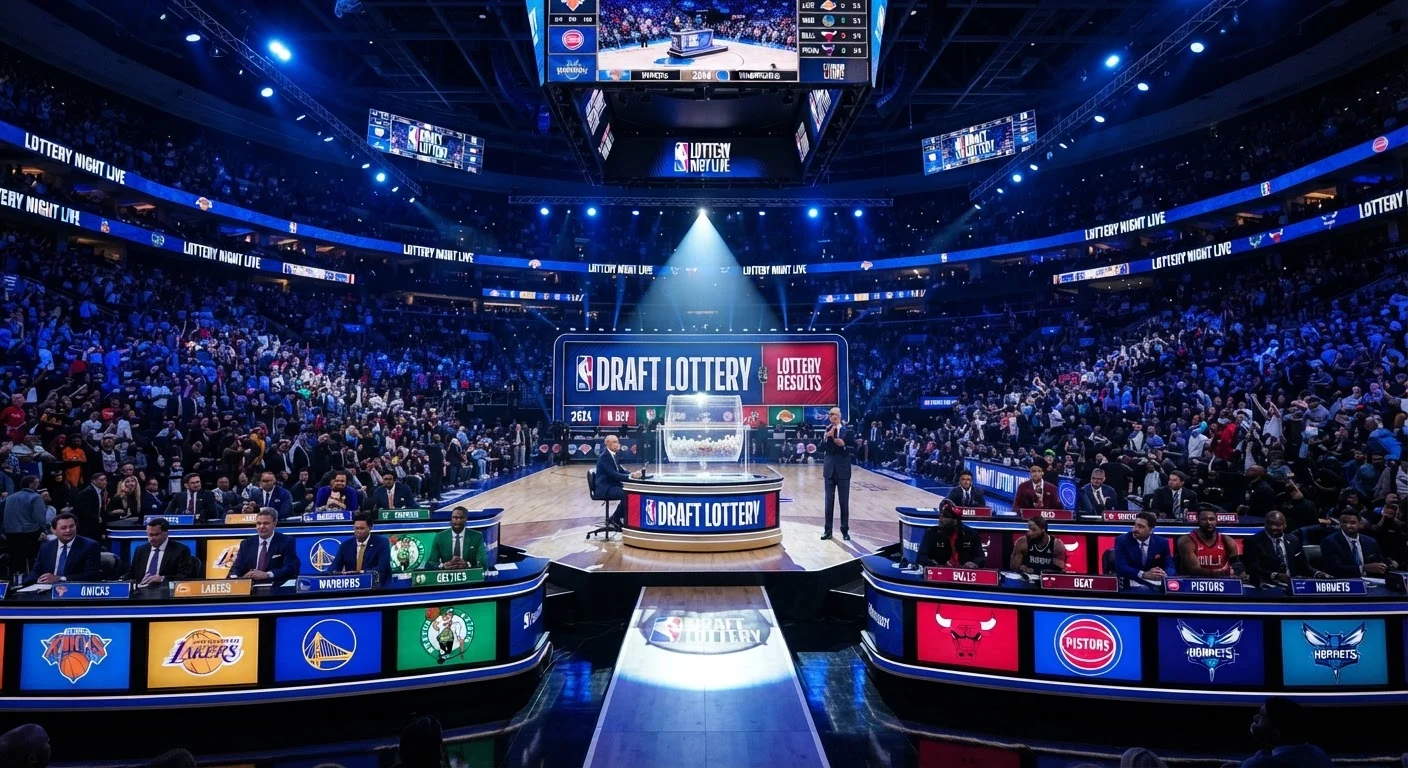
A draft lottery is a randomized process used by the NBA and NHL to determine which teams receive the top picks in the annual player draft. Instead of simply awarding the first pick to the worst team, a weighted lottery gives non-playoff franchises varying odds based on their regular-season record. This system is designed to promote competitive balance while discouraging teams from deliberately losing games.
In both leagues, only a subset of lottery teams can land the top picks - meaning a team with the worst record is guaranteed a high selection but not necessarily the first overall pick.
Why a Lottery Instead of Pure Reverse Order?
On the surface, a simple fix seems obvious: just give the worst team the best pick every year. The NFL largely does exactly that, and you can read more about how that structure functions in our NFL draft order explainer. But the NBA and NHL took a different road - one paved with ping-pong balls and probability.
The core problem with pure reverse order is the incentive it creates. If finishing dead last guarantees the top pick, a team on the playoff bubble in February might quietly prefer to lose. That's tanking, and it's bad for fans, for the integrity of standings, and for the sport overall. A lottery introduces enough randomness to make tanking a gamble rather than a strategy.
Lottery Reform Is an Ongoing Conversation
Both the NBA and NHL have adjusted their lottery formats multiple times over the decades. The NBA's 2019 changes flattened top odds specifically to discourage multi-year tanking strategies. Neither league considers its current system the definitive final word, and further tweaks remain a recurring topic in league discussions.
How the NBA Lottery Works
The NBA assigns lottery odds using a combination of 1,000 weighted combinations. Each of the 14 non-playoff teams receives a share of those combinations based on record - the team with the worst record gets the most combinations, and the best lottery team gets the fewest.
A major reform took effect for the 2019 NBA Draft: the three teams with the worst records now share an equal 14% chance at the first overall pick, rather than the previous system where the absolute worst team held a dominant 25% shot. The lottery determines only the top four picks; picks five through 14 are then assigned in reverse-standings order.
14%
Top-pick odds for three worst NBA teams
Since the NBA's 2019 reform, the three lowest-ranked lottery teams each hold an equal 14% chance at the first overall pick, replacing the old tiered system.
14
NBA teams eligible for the lottery
All 14 non-playoff NBA franchises participate each year, with weighted odds that decrease as team records improve.
16
NHL teams eligible for the lottery
All 16 non-playoff NHL teams are entered in the draft lottery, with two picks determined by draw and the rest following reverse standings.
Understanding where a franchise sits in the standings - and what that means for playoff seeding versus lottery positioning - is covered thoroughly in our NBA conference standings breakdown.
How the NHL Lottery Works
The NHL's lottery is more targeted. Every non-playoff team is eligible, but the draw only governs the first two overall picks. In the first phase, any of the 16 non-playoff teams can win the top selection - with odds weighted by inverse standing. The team that wins phase one is removed before a second draw assigns the second overall pick.
After those two positions are set, picks three through 16 simply follow reverse regular-season standings. This structure means a team with the worst record is highly likely to pick near the top, but a surprise lottery jump by a middling team remains entirely possible.
The NHL's points-based standings - which affect which teams enter the lottery and at what odds - work differently from a standard win-loss record. Our NHL points system explainer walks through why overtime and shootout results carry distinct value in the standings.
Follow the Odds Before the Lottery Airs
Both the NBA and NHL publish their official lottery odds once the regular season ends. Reviewing those numbers before the televised event makes the broadcast far more engaging - you'll know exactly how improbable (or expected) each result truly is.
Traded Picks, Misconceptions, and What It All Means
One layer fans often overlook: the team that earns a lottery position isn't always the team that uses the pick. Draft picks are tradeable assets, and a franchise can deal its first-round selection years in advance. If that pick subsequently wins the lottery, the receiving team holds the top choice.
This dynamic creates some of the most dramatic moments in front offices - and plenty of confusion in the stands. For a broader look at how picks, trades, and free agency interact, see our guide on how athletes move between teams. And if you've ever wondered whether your instincts about the draft are entirely accurate, our piece on common draft misconceptions is worth a read - the process surprises even longtime fans.