Key Takeaways
- The NFL Draft runs three days and includes seven rounds of player selections.
- Teams with worse records generally pick earlier, giving struggling franchises better prospects.
- Picks can be traded, meaning your team's draft slot can change dramatically before the event.
- Rounds 1-3 attract most of the marquee talent and broadcast attention.
- Understanding a handful of key terms makes the broadcast significantly easier to follow.
Start here
What the NFL Draft Actually Is
Next
How the Three-Day Format Works
Build vocabulary
Key Terms You'll Hear on Broadcast
Get excited
Draft-Day Drama: What Makes It Must-Watch TV
Watch smarter
How to Follow Along Without Getting Overwhelmed
What the NFL Draft Actually Is
Every spring, the 32 NFL franchises take turns selecting eligible college football players to join their rosters. It's the league's primary talent pipeline - and for fans, it's one of the most emotional events on the sports calendar. Prospects who've trained their whole lives learn in real time whether their NFL dream becomes reality.
The draft exists to distribute talent as evenly as possible across the league. Teams that struggled during the previous season generally receive earlier picks, giving them first access to top prospects. For a deeper look at how that ordering works, see our guide on how losing leads to picking first.
Draft pick
A team's right to select a player in a specific round. Picks can be traded to other teams like currency.
Round
One complete cycle in which every team (in order) gets one selection. There are seven rounds in the NFL Draft.
Compensatory pick
An extra selection awarded by the league to teams that lost significant free agents. Added at the end of certain rounds.
Prospect
A college football player eligible for selection in the draft - not yet an NFL player until chosen or signed.
Trade deadline
Trades can happen during the draft itself, in real time. There is no hard deadline preventing mid-round deals.
How the Three-Day Format Works
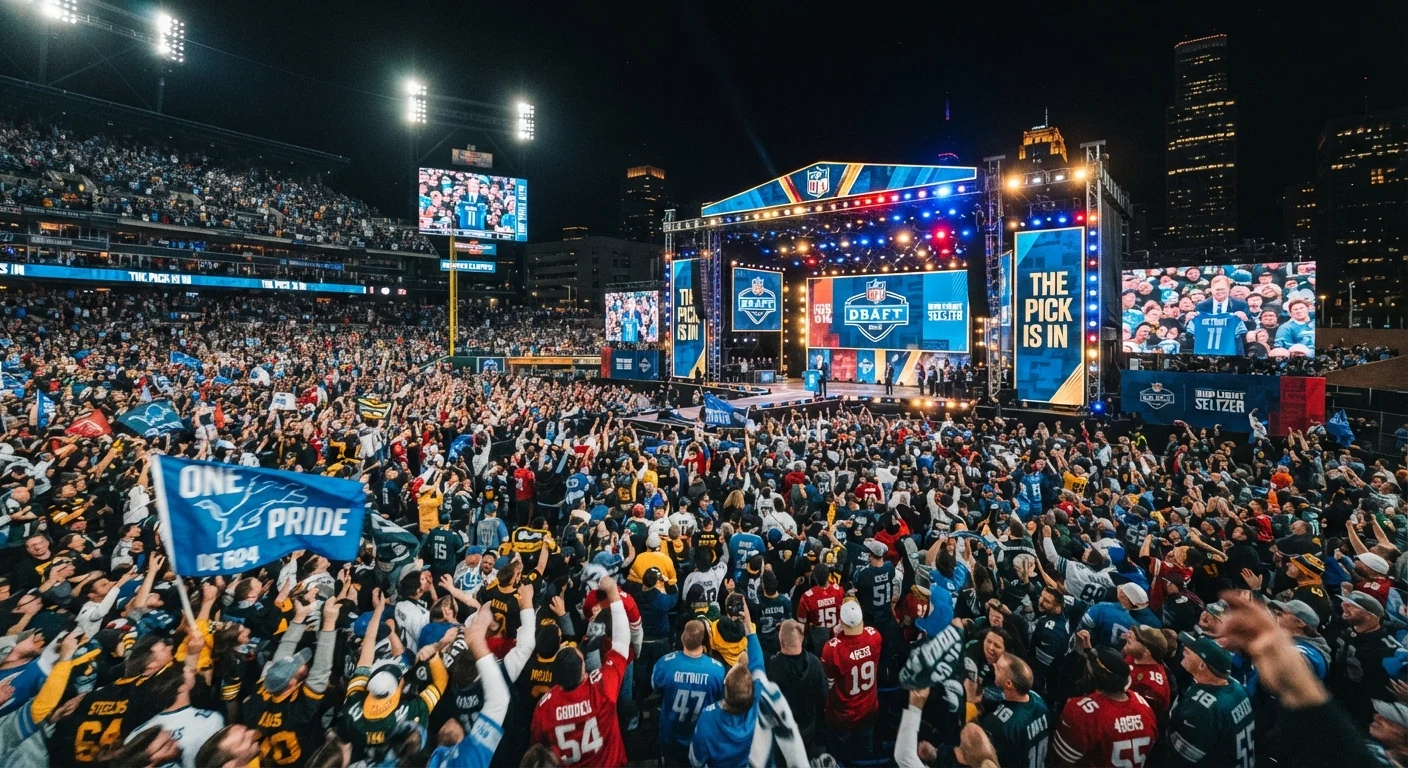
The draft is split across three days. Day one features the entire first round - 32 picks, one per team, with prime-time fanfare and live crowd reactions. Day two covers rounds two and three, where plenty of future starters are selected. Day three wraps up rounds four through seven, a marathon session where depth players, late-round steals, and long-shot prospects get their names called.
In total, 257 players are selected across the seven rounds. The gap in attention between round one and round seven is enormous - but savvy fans know late-round gems occasionally become franchise cornerstones.
Focus on Day One If You're New
Round one delivers the most recognizable names, the biggest TV moments, and the most accessible storylines for casual fans. Days two and three reward deeper knowledge of rosters and positional needs - great for when you're ready to dig further in.
Key Terms You'll Hear on Broadcast
Broadcast analysts move fast and assume familiarity. Here's a quick decoder for the language you'll encounter most:
- On the clock - The team currently holding the active pick and counting down their allotted time.
- Trade up/trade down - A team swapping picks to move to an earlier or later slot, often exchanging future draft capital in the process.
- Combine - The pre-draft evaluation event where prospects are measured and tested athletically. Results heavily influence draft boards.
- Draft board - A team's internal ranking of available players by perceived value.
- Value pick - When a team selects a player analysts considered higher-ranked than the slot where he was taken.
If you encounter terms around how teams acquire players beyond the draft, our overview of the draft, free agency, and trades adds useful context.
Draft-Day Drama: What Makes It Must-Watch TV
The draft generates genuine suspense. Teams hide their intentions until the last moment, trades get announced mid-round, and projected top-five picks occasionally slip into the teens - triggering audible shock from analysts and fans alike. A team trading up signals aggressive ambition; trading down signals a rebuild in progress.
There's human drama too. Watching a player receive a call, hug their family, and walk across the stage is consistently one of sports television's most compelling moments. For fans unfamiliar with the college-to-pro transition those players are making, our breakdown of NFL vs. college football differences explains what changes for players entering the league.
Mock Drafts Are Entertainment, Not Prophecy
Even the most respected draft analysts routinely miss on first-round predictions. Teams guard their intentions carefully, and last-minute trades can flip the board entirely. Enjoy mock drafts as a way to learn names and positions - but don't treat them as reliable forecasts of what your team will actually do.
How to Follow Along Without Getting Overwhelmed
You don't need to memorize 300 prospects to enjoy the draft. Pick one or two players your team is projected to target and follow their storylines heading in. When your team is on the clock, that's your moment - everything else is context.
Mock drafts (pre-draft simulations published by analysts) can help you build familiarity with names, but treat them as entertainment rather than prediction. Teams routinely surprise everyone. If you're also tracking other leagues simultaneously, our practical guide on following multiple sports seasons at once can help you manage the calendar without missing key moments.
Curious about common misconceptions that trip up new viewers? Common myths about how sports drafts work is worth a read before draft weekend.
NFL Official Draft Hub
The NFL's own draft coverage page provides official pick-by-pick results, prospect profiles, and broadcast information for each round.
Team Beat Reporters
Following beat reporters who cover your specific team on social media is one of the fastest ways to get real-time pick reactions and trade analysis tailored to your franchise.