

Key Takeaways
- The left lane on most US highways is legally designated for passing, not for cruising at any speed.
- Over 40 US states have laws requiring drivers to move right after passing or when not actively overtaking.
- Staying in the left lane unnecessarily can impede traffic flow and create dangerous conditions.
- Fines and citations for left-lane violations are real in many states and can vary widely.
- Understanding lane discipline is a foundational safe-driving skill, not just a matter of courtesy.
Left Lane / Passing Lane
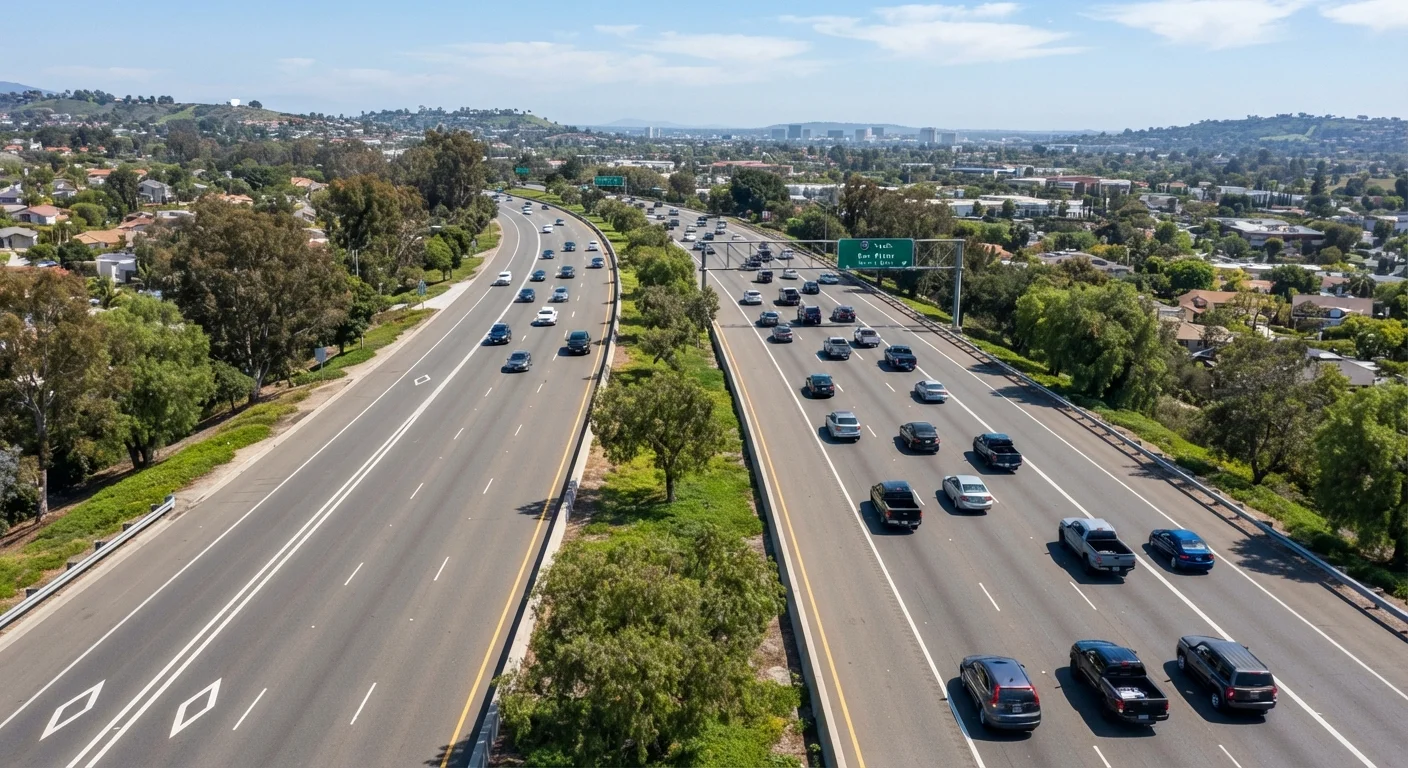
On multi-lane roads and highways in the United States, the leftmost lane is generally designated as a passing lane - a space drivers use to overtake slower traffic before returning to the right. It is not intended as a permanent travel lane for through traffic. Most states have laws that restrict or prohibit driving continuously in the left lane when not actively passing.
These rules are sometimes called 'keep right' laws or 'slower traffic keep right' statutes. Specific requirements vary by state, including speed thresholds and penalty structures.
The Left Lane Has a Specific Purpose
Many drivers treat the left lane as a fast lane - a place to settle in and cruise above the flow of traffic. But that interpretation isn't how US traffic law frames it. In most states, the left lane on a divided highway exists specifically for passing: you move left to overtake a slower vehicle, complete the pass, and return to the right.
This distinction matters more than it might seem. When drivers park themselves in the left lane indefinitely, they force faster-approaching vehicles to pass on the right - a maneuver that is less predictable and widely considered more dangerous. It also compresses traffic into fewer lanes, which research on traffic flow consistently links to increased congestion and collision risk.
For a broader foundation on how lanes and road rules interact, see our guide to right-of-way rules - many of the same principles apply.
Left-Lane Rules Don't Apply Everywhere Equally
Left-lane statutes primarily govern divided highways and interstates, not standard urban roads with traffic signals. City driving involves different lane-use conventions and right-of-way rules. Always consult your state's driver handbook for the specific rules that apply to the road type you're driving on.
What US State Laws Actually Say
More than 40 states have enacted some form of keep-right law, though the specifics vary considerably. Some states - including Georgia, Indiana, and New Jersey - have relatively strict statutes that prohibit traveling in the left lane on a multi-lane highway except when passing, regardless of speed. Others frame the rule around slower traffic: drivers moving slower than the general flow must yield the left lane.
A handful of states use a speed-based threshold, requiring drivers to move right only if they are below a certain speed. What's consistent across most states is that traveling at the speed limit does not grant you a permanent right to occupy the left lane.
40+
US states with keep-right or passing-lane laws
According to legal research aggregated by transportation policy groups, the majority of US states have enacted some version of a keep-right statute for divided highways.
$50-$300+
Typical fine range for left-lane violations
Fine amounts vary widely by state; some jurisdictions treat left-lane violations as moving infractions with associated point penalties.
If you're newer to highway driving, our article on driving on the interstate for the first time covers how to navigate lane changes and merges safely at speed.
Why It Affects Safety - Not Just Traffic Flow
Left-lane camping creates a specific problem: it pushes overtaking traffic to the right lanes, reversing the expected flow direction. Drivers anticipate being passed on their left - when passes come from the right instead, reaction times and gap judgments are less reliable.
There is also a fatigue and predictability component. Consistent lane discipline means every driver on the road can make better predictions about what surrounding vehicles will do next. That shared expectation is a core element of highway safety.
A Simple Rule of Thumb
If you have been in the left lane for more than a mile without actively passing a vehicle, it's time to move right - regardless of your speed. Checking your mirrors and returning to the right lane as soon as it's safe is the clearest way to practice good lane discipline and stay consistent with the law in most states.
Understanding how left-lane behavior connects to merging dynamics is equally important. See our piece on merging on the highway for how lane positioning affects entry and exit points.
Common Misconceptions About the Left Lane
Several persistent myths surround left-lane use. One of the most common: "If I'm going the speed limit, I have every right to stay in the left lane." As noted above, most state laws do not support this. The left lane is not a reward for compliance with the speed limit - it's a functional passing zone.
Another misconception is that left-lane driving is purely a courtesy issue with no legal teeth. In states with active enforcement, citations are real and can carry fines or affect driving records.
These kinds of misunderstandings are common across driving culture. For more examples of widely held but legally or factually incorrect driving beliefs, see our article on driving myths that could get you in trouble.