

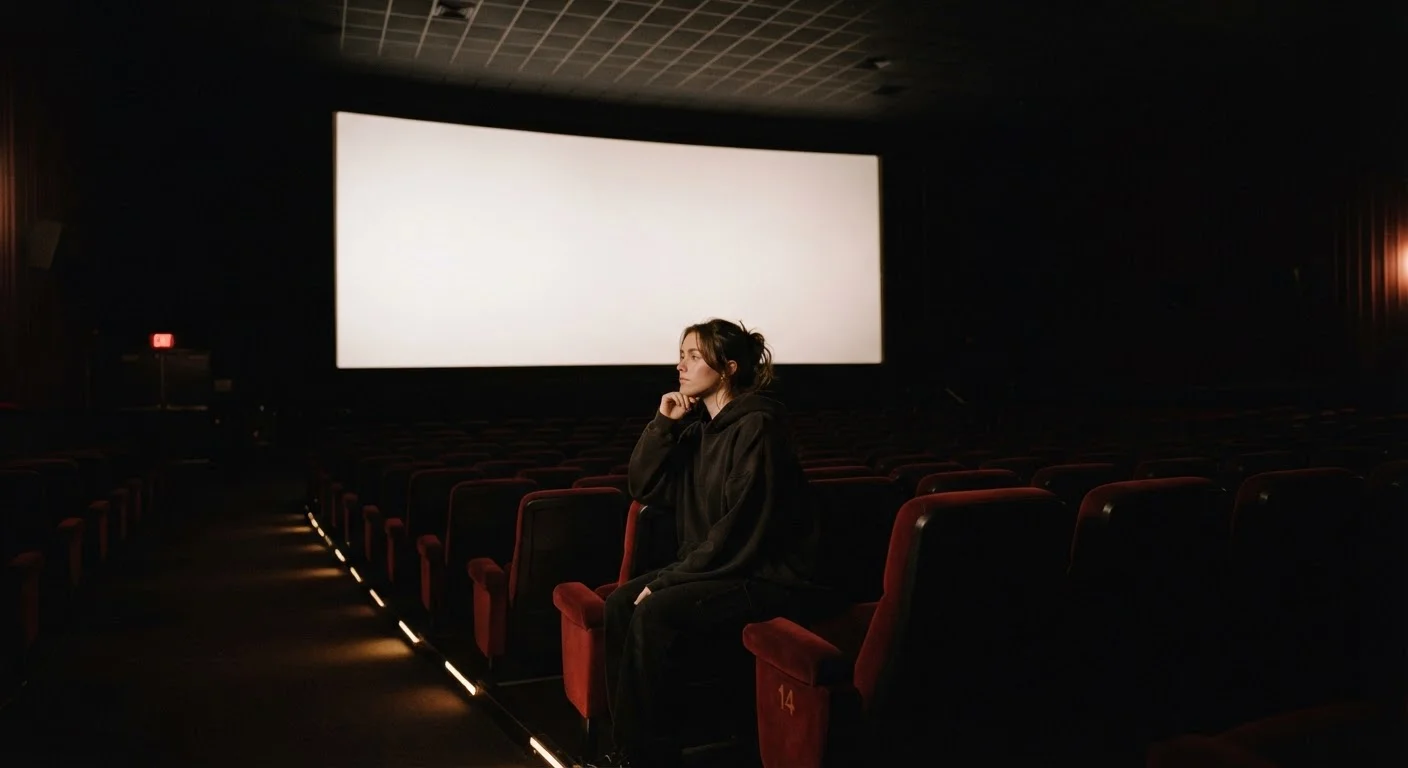
Key Takeaways
- Asking deliberate questions after a film sharpens your ability to interpret story, character, and craft.
- Emotional responses are valid entry points - examining why you felt something reveals a film's intentions.
- Visual and sound choices are rarely accidental; analyzing them unlocks deeper meaning.
- Connecting a film to its cultural or historical context enriches your understanding significantly.
- Reflective viewing builds critical skills that transfer across all kinds of storytelling.
Summary
18 items · 10-30 minutes
Why Reflection Turns Watching Into Understanding
Most of us hit stop, scroll to the next thing, and let the film dissolve into the background noise of the week. That's understandable - but it means we're leaving most of the experience on the table. Cinema is a layered art form. Directors, cinematographers, sound designers, and editors make thousands of deliberate choices before a single frame reaches your eyes. Without pausing to examine those choices, you're catching maybe half the conversation the film is trying to have with you.
Reflective viewing isn't a skill reserved for film students or critics. It's simply the habit of asking questions with intention. The checklist below gives you a structured framework for doing exactly that - whether you just finished a buzzy blockbuster or a quiet indie you stumbled across on a streaming service. If you want to understand how those choices shape your experience, our piece on the cinematographer's role is a great companion read.
Emotional Response
Story and Theme
Character and Performance
Visual and Sound Craft
Context and Meaning
How to Work Through These Questions
You don't need a notebook and a graduate degree - though both are welcome. These questions work just as well as a mental walk during the drive home or a conversation over dinner. The goal isn't to produce the right answer; it's to sit with the discomfort of not knowing and let that curiosity pull you somewhere interesting.
Start with the emotional questions, since they're usually the most immediate. Then work outward into craft and context. You'll often find that what you felt emotionally connects directly to a specific technical or thematic decision the filmmakers made. That connection - between gut reaction and deliberate craft - is where the real understanding lives.
Analysis Shouldn't Replace Enjoyment
Critical reflection is most valuable when it deepens your relationship with a film - not when it turns every screening into homework. If you loved a movie, interrogating it isn't betrayal; it's curiosity. But if a particular film just isn't resonating on any analytical level, it's fine to let it go. Not every film repays deep scrutiny, and that's a useful conclusion in itself.
For those who want to go even further, understanding how sound design works or exploring the difference between a critic and a reviewer can add even more dimension to your post-film thinking. And if you've ever wondered what formal training looks like, what film schools actually teach is worth a look.
A film journal or notes app
Capture immediate post-film impressions before memory smooths over the rough edges of your reaction.
Letterboxd or similar film logging platform
Log films you've watched, read other viewers' reflections, and track patterns in your own viewing habits.
IMDb or a film reference database
Look up production context, key crew roles, and background information that enriches your post-film analysis.