

Key Takeaways
- Cinematographers shape mood, tension, and emotion through lighting and camera choices.
- The DP collaborates closely with the director to translate script into visual language.
- Lens selection, camera movement, and color palette are all deliberate storytelling tools.
- A skilled cinematographer can make a low-budget film feel visually rich and immersive.
- The DP's work begins long before cameras roll, during pre-production planning and testing.
Cinematographer (Director of Photography)
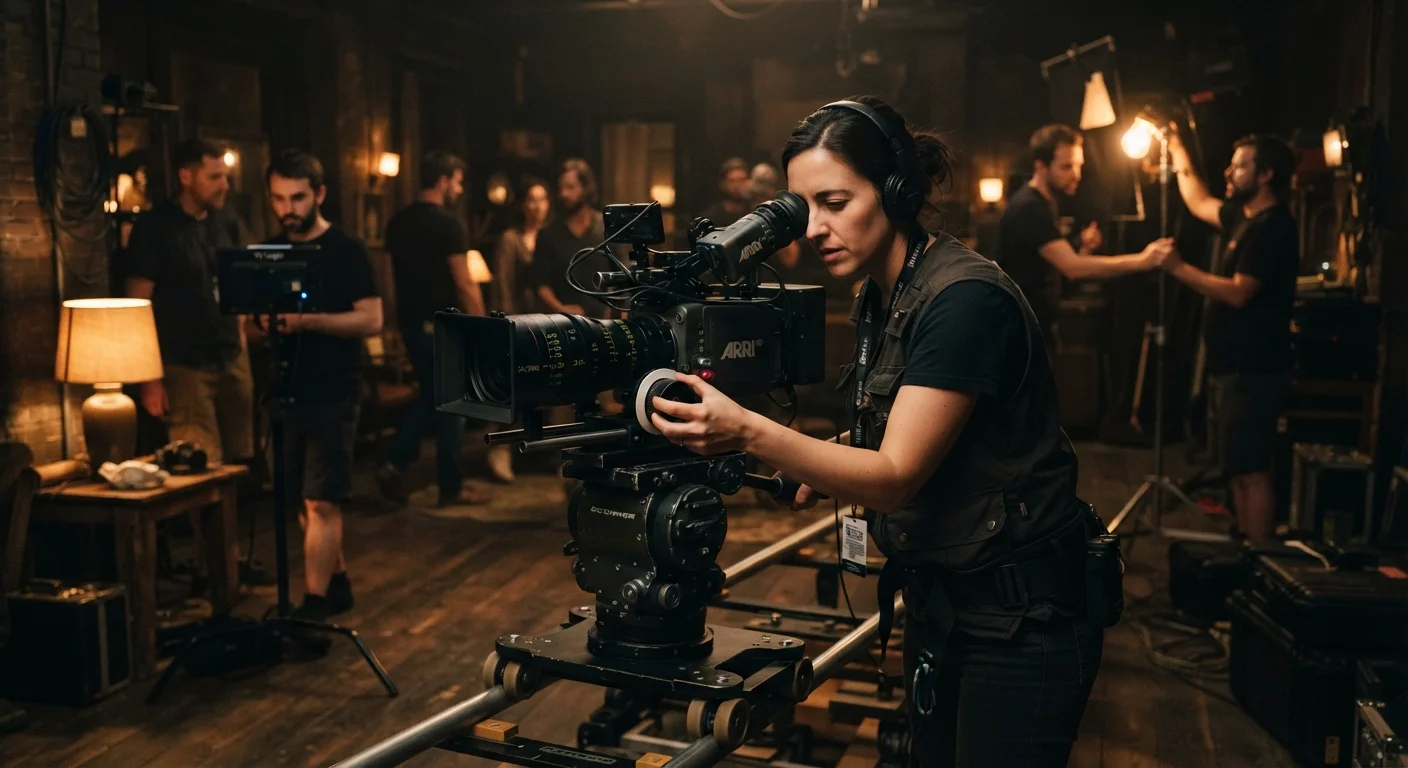
A cinematographer - officially credited as the Director of Photography, or DP - is the person responsible for the visual look of a film. They decide how scenes are lit, how the camera moves, which lenses are used, and how the image is captured and exposed. Every visual element you perceive on screen flows through their creative and technical decisions.
The DP works closely with the camera operator and gaffer (chief lighting technician) to execute their visual plan, but the creative vision and final responsibility for the image belong to the cinematographer.
The DP Is the Film's Visual Architect
When most people think about who makes a movie look the way it does, they jump to the director. But the director of photography is equally - sometimes more - responsible for a film's visual identity. The DP doesn't just point a camera at actors. They design the entire image: the quality of light falling on a face, the angle that makes a character feel vulnerable or powerful, the color temperature that tells your brain something is wrong before the story does.
Think of the DP as the director's visual translator. The director says, "This scene should feel suffocating and paranoid." The DP figures out how to make that true on screen - perhaps through tight framing, deep shadows, and a slightly unstable handheld camera. None of that interpretation happens automatically. It requires both craft and collaboration.
For a broader look at how this creative partnership works, see what directors actually control on a film set.
“The role of the cinematographer is to understand what the director wants emotionally from each scene and then find a way to express that through the image - through light, through lens, through movement.”
— Roger Deakins, Academy Award-winning cinematographer known for his work across multiple acclaimed films
The Core Tools of Cinematography
A cinematographer works with several interconnected elements, each of which carries expressive weight:
- Lighting: The most powerful tool in the DP's kit. Hard light creates sharp shadows and drama; soft light produces a gentle, even look. Where light comes from matters as much as its intensity - a face lit from below reads as sinister, while natural side lighting feels real and grounded.
- Lens choice: Wide lenses distort space and create a sense of environment; long (telephoto) lenses compress depth and isolate subjects. A 35mm lens might make a scene feel observational; an 85mm can feel intimate and voyeuristic. These choices are never accidental.
- Camera movement: A locked-off static shot conveys stillness or tension. A smooth tracking shot creates elegance or momentum. Handheld camera introduces instability and immediacy. Each movement, or deliberate absence of it, shapes what an audience experiences.
- Color: DPs work with colorists during post-production to establish the film's palette. Desaturated tones often signal bleakness or moral ambiguity; vivid colors can signal energy, fantasy, or danger. The color grading process begins with decisions made on set.
These choices connect directly to how editing and sound work together to complete the viewer's experience. Understanding how editing functions adds another layer to appreciating what the DP sets in motion.
Over 100
Lens options available on a major studio production
Professional cinematographers typically evaluate dozens of lens options during pre-production testing to find the right optical character for a given film.
4-6 weeks
Typical DP pre-production preparation period
On mid-to-large productions, directors of photography commonly spend four to six weeks in pre-production before cameras roll, according to industry accounts from working DPs.
3
Core departments the DP directly oversees on set
The camera department, lighting/electrical department, and grip department all report through or work in direct coordination with the director of photography during production.
How Cinematographers Prepare Before Filming
A DP's job starts well before the first day of shooting. During pre-production, they read the script multiple times - not for plot, but for visual opportunities and challenges. They scout locations to understand available light at different times of day. They test cameras, lenses, and film stocks (or digital sensor settings) to identify which combination matches the intended aesthetic.
DPs often compile visual references - paintings, photographs, other films - to communicate their vision to the director and to department heads like the gaffer and production designer. This shared visual language ensures everyone is building toward the same image.
Watch a Scene Twice - Once With the Sound Off
To isolate what a cinematographer is doing, try watching a memorable scene with the audio muted. Without dialogue or music guiding your emotions, you'll notice how much work the image itself is doing - through light, framing, and movement. It's one of the most effective ways to train your eye for visual storytelling.
This level of preparation reflects something true across all filmmaking crafts: the work audiences never see usually determines the quality of what they do. Similarly, film composers begin their work long before recording sessions, and sound designers build their audio worlds from the earliest stages of production.
Watching Cinematography With Fresher Eyes
Once you understand what a cinematographer does, films become a richer experience. You start noticing when a camera stays unusually still to create dread, or when the lighting shifts mid-scene to signal a character's internal change. You catch the difference between a lens that keeps everything in sharp focus - suggesting a world with no hiding places - and one that blurs backgrounds to isolate emotion.
These aren't academic exercises. They're the reason certain scenes stay with you long after the credits roll. The image was designed to do exactly that. For a structured way to deepen your engagement with films, asking yourself targeted questions after watching can surface details you might have absorbed without fully registering.
The cinematographer's craft is also worth understanding in relation to adjacent technologies. The choices a DP makes about sensors, focal lengths, and dynamic range echo many of the concepts explored in why camera specs don't tell the whole story - a reminder that great images are made by people, not just equipment.