

Key Takeaways
- Re-edging every four to six weeks prevents grass from creeping into garden beds.
- A sharp half-moon or rotary edger cuts cleaner lines than a dull blade or string trimmer alone.
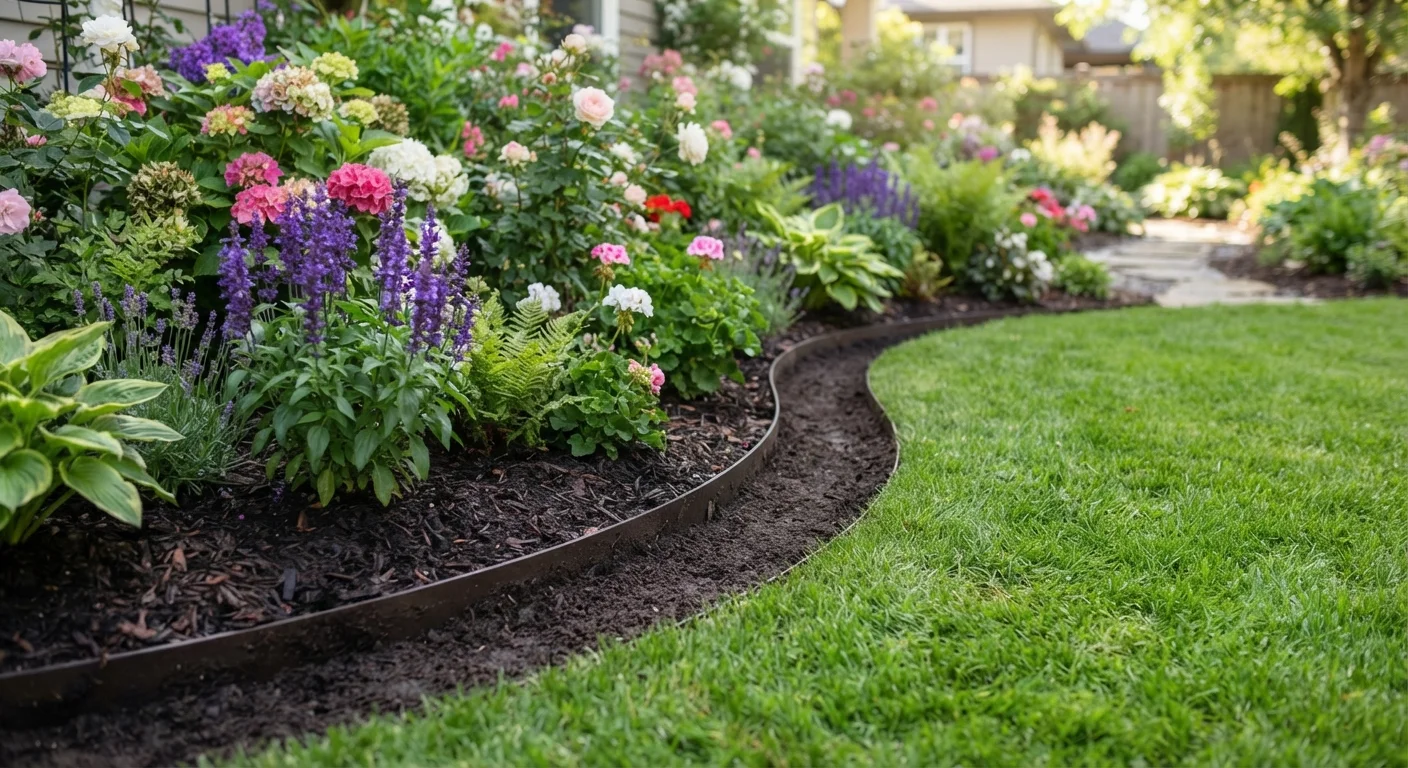
- Physical edging barriers like steel or composite strips dramatically reduce re-edging frequency.
- Timing your edging to coincide with mulching creates a cohesive, low-maintenance result.
- Consistent trench depth-around two to three inches-is the single biggest factor in a lasting edge.
Why Defined Edges Matter More Than You Think
A garden bed without a maintained edge quickly loses its shape. Grass rhizomes (underground runners) and surface stolons push outward several inches per season, blurring the line between lawn and planting area and making even healthy, well-mulched beds look neglected. Regular edging solves that problem while also reducing weeding labor: a clean, vertical soil wall is harder for grass to breach than a sloped or eroded boundary.
Edging also complements other outdoor improvements. If you're exploring mulch application techniques, you'll find that fresh mulch stays contained far longer when it's backed by a defined edge trench rather than an open, ragged border. Similarly, gardeners working on raised bed layouts often find that surrounding edges are the detail that ties the whole yard together visually.
Choosing the Right Edging Tool
Not every tool suits every situation. Understanding your options prevents wasted effort and poor results.
- Half-moon edger: A flat, half-circle blade attached to a long handle. Ideal for re-establishing or deepening a trench edge along straight or gently curved beds. Requires some foot pressure but delivers very clean, vertical cuts.
- Rotary (wheel) edger: A spinning blade guided by a rolling wheel along the edge of the lawn. Good for long, sweeping curves. Less tiring on legs than a half-moon over extended runs.
- String trimmer (held vertically): Fast and useful for touch-up work between deeper edging sessions, but it doesn't cut a proper trench - it shaves the surface. Best used as a complement, not a replacement.
- Power edger (walk-behind): A dedicated gas or electric machine that cuts a consistent trench in a single pass. Worth considering for large properties or when physical edging is difficult. Always follow the manufacturer's safety guidelines and keep bystanders clear.
Whatever tool you choose, the blade must be sharp. A dull edge tears rather than cuts, creating a ragged boundary that looks untidy and heals more slowly.
Keep a Dedicated Edging Tool Nearby
Storing your half-moon edger or rotary edger in a visible, accessible spot near the garden - rather than the back of a shed - makes it easier to do a quick touch-up pass whenever you're already outside. Five minutes of light maintenance every few weeks is far less work than re-establishing a badly overgrown edge at the end of the season.
Core Edging Techniques for Long-Lasting Results
Always cut a trench two to three inches deep when establishing or refreshing a bed edge
Depth is the most important factor in a lasting edge. A shallow scrape simply removes top growth, while roots remain intact and re-establish within weeks. A proper trench physically removes the root zone and creates a visible, defined boundary that holds its shape.
Use a garden hose or spray paint to mark curved edges before cutting
Freehand curves rarely look intentional. Laying out the shape with a hose first lets you step back and adjust before any soil is disturbed, saving rework and ensuring the final curve is smooth and consistent.
Remove debris from the trench immediately after edging
Loose soil and cut grass left at the edge of a trench can wash or blow back into the bed, partially refilling the boundary and encouraging regrowth. Clearing it while you work prevents this and gives the edge a cleaner finished appearance.
Sharpen or replace edger blades at least once per growing season
Dull blades compress and tear soil rather than cutting it cleanly. Torn edges are irregular and provide less resistance to grass runner intrusion. A sharp blade also requires less physical effort, reducing fatigue during long edging sessions.
Edge before applying mulch, not after
Edging after mulching disturbs the mulch layer and can scatter material into the lawn. Edging first allows the fresh trench to act as a natural barrier, keeping mulch contained within the bed and giving the finished surface a polished, intentional look.
For yards that include native plantings or lawn alternatives, edging becomes even more important-groundcovers spread aggressively and benefit from a clearly defined physical boundary rather than relying on periodic trimming alone.
Installing Physical Edging Barriers
A physical barrier between lawn and bed doesn't replace manual edging entirely, but it dramatically extends the time between sessions. Common materials include:
- Steel or aluminum edging: Thin, flexible strips that hold a clean line even when bumped by a mower. They age to a natural patina and last many years when installed correctly at consistent depth.
- Composite or recycled plastic strips: Lighter and easier to work with than metal. Holds shape well in straight runs; may require more stakes on curves.
- Concrete or brick mowing borders: Permanent and durable, but installation is more labor-intensive and typically benefits from professional input, especially if the border must follow grades or curves.
All barrier types perform best when set so the top sits flush with, or just slightly below, the lawn surface - this allows a mower wheel to ride along the barrier and eliminates the need for a separate trimming pass. If you're thinking about edging as part of broader outdoor improvements, the landscaping as a home upgrade guide covers how hardscape elements like edging integrate with grading and drainage decisions.
Check Local Regulations Before Installing Permanent Borders
Some municipalities have guidelines about what can be installed along property lines or within utility easements. Concrete mowing borders or deep steel edging installed near underground utilities can create hazards. Before beginning any permanent installation, call your local utility locating service (in the US, dial 811) and check with your local building department if the work is near a property boundary.
Timing and Seasonal Maintenance Rhythm
Edging is most effective when it's built into a seasonal schedule rather than treated as an occasional catch-up task. A practical rhythm for most US climates:
- Early spring: Re-establish the trench after winter. This is usually the deepest and most labor-intensive session of the year.
- Every four to six weeks through the growing season: Light trench maintenance keeps grass runners from re-establishing. This is when a string trimmer used vertically earns its place.
- Fall: A final clean edge before mulching for winter helps the bed look tidy through the dormant season and reduces spring cleanup time.
You can find a broader framework for these tasks - including what else needs attention in each season - in the year-round outdoor space preparation guide. Pairing your edging schedule with your weed control approach also pays dividends: a well-edged bed is far less hospitable to encroaching weeds.