

Key Takeaways
- Soil pH measures acidity or alkalinity on a 0-14 scale; most garden plants thrive between 6.0 and 7.0.
- An out-of-range pH locks nutrients out of plant roots even when fertilizer is applied generously.
- A simple home test kit or cooperative extension lab test reveals your starting point before amending.
- Ground limestone raises pH in acidic soil; elemental sulfur lowers it in alkaline soil.
- pH shifts happen gradually - retest after 2-3 months before applying a second amendment round.
What you will need
Why Soil pH Matters More Than Most Gardeners Realize
Soil pH is a measure of how acidic or alkaline your soil is, expressed on a scale from 0 to 14. A reading of 7.0 is neutral; below 7.0 is acidic; above 7.0 is alkaline. This single number has an outsized effect on plant health because it controls how readily nutrients dissolve in soil water and become available to plant roots.
When pH drifts too far in either direction, plants experience what's often called nutrient lockout - essential elements like nitrogen, phosphorus, iron, and manganese become chemically bound in the soil and can't be absorbed, even if those nutrients are present in abundance. Yellowing leaves, stunted growth, and poor flowering are common symptoms, and they're frequently misdiagnosed as a fertilizer deficiency when the real cause is pH. As the lawn fertilization basics guide explains, applying more fertilizer without addressing pH is largely wasted effort.
Soil pH also influences the activity of beneficial soil microbes that break down organic matter and support root health. Extremely acidic or alkaline conditions slow this biological activity and degrade overall soil structure over time. If you've noticed unexplained dead patches or uneven growth across a lawn or garden bed, pH imbalance deserves a spot on your diagnostic checklist.
What you will need
Tools and Amendments You'll Need
Before adjusting soil pH, gather the right tools and understand what each amendment does. The choice of amendment depends entirely on whether you're raising or lowering pH - using the wrong one will worsen the imbalance.
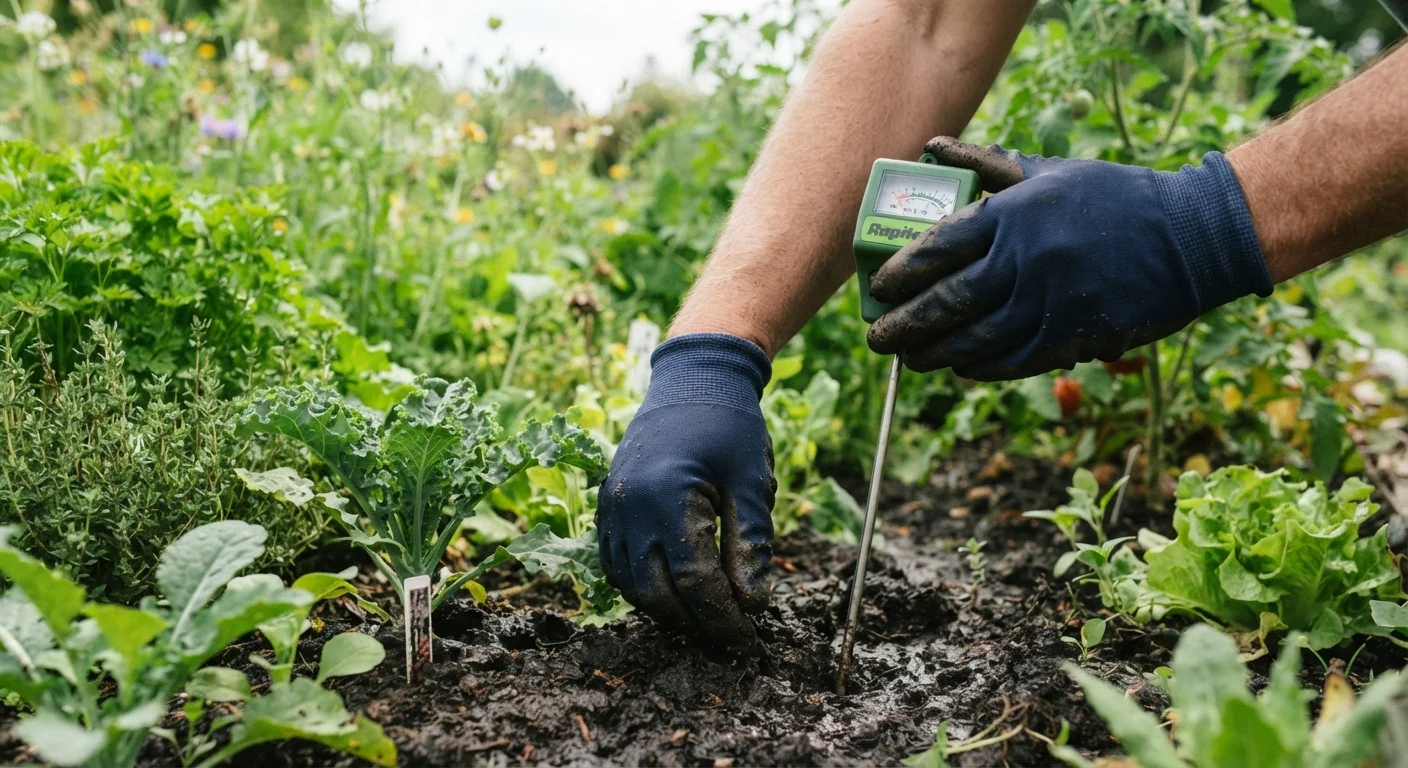
Soil pH test kit or digital meter
Measures the current pH of your soil before and after any amendment is applied.
Ground agricultural limestone (calcitic or dolomitic)
Raises soil pH in overly acidic gardens; applied by broadcasting and working into the top few inches.
Elemental sulfur
Lowers soil pH in alkaline gardens when worked into the soil months before planting.
Garden trowel or spade
Used to collect soil samples and work amendments into the top layer of the planting bed.
Broadcast spreader or garden gloves
Distributes dry amendments evenly across larger garden or lawn areas.
If you're planning a larger yard overhaul that includes new plantings alongside hardscape features, it's worth reading about balancing hardscape and softscape so your soil prep aligns with your overall design before you start amending.
Step-by-Step: Testing and Adjusting Your Soil pH
Follow these steps in order. Skipping the test phase and going straight to amendments is a common mistake - it can shift pH in the wrong direction or overshoot the target.
Collect a representative soil sample
Use a clean trowel to take small plugs of soil from five to eight spots across the garden bed, reaching 4-6 inches deep. Mix them together in a clean bucket. This composite sample averages out natural variation so your test reflects the whole area rather than one hotspot.
Test the soil pH
Follow the instructions for your chosen test method. Home strip kits mix a small amount of soil with distilled water; digital meters insert a probe directly into moistened soil. For the most precise results - especially before a major planting project - consider mailing a sample to your state's cooperative extension service, which typically provides a detailed report for a modest fee.
Identify your target pH range
Check the preferred pH range for the plants you want to grow. Most vegetables and lawn grasses perform best between 6.0 and 7.0. Blueberries, azaleas, and rhododendrons prefer a more acidic range of 4.5-5.5. Lilacs and many ornamentals tolerate slightly alkaline conditions around 7.0-7.5. Knowing your target before amending prevents overshooting.
Raise pH with lime (for acidic soil)
If your pH reads below your target range, ground agricultural limestone is the standard amendment. Calcitic lime adds calcium; dolomitic lime adds both calcium and magnesium - useful if a soil test reveals a magnesium deficiency. Broadcast the lime evenly and work it into the top 4-6 inches with a spade or tiller. Application rates vary by soil texture: sandy soils need less; heavy clay soils need more. Follow the rate guidance from your soil test report or product label.
Lower pH with sulfur (for alkaline soil)
If your pH reads above your target, elemental sulfur is the most common amendment used to acidify soil. Soil bacteria convert sulfur into sulfuric acid over several weeks, which is why it works slowly. Work granular sulfur into the top 6 inches and water thoroughly. Do not exceed label rate recommendations - too much sulfur at once can harm soil biology and plant roots.
Water, wait, and retest
Water the amended area well to help amendments begin integrating into the soil. Wait at least 6-8 weeks (ideally 2-3 months) before retesting. Soil chemistry shifts gradually, and retesting too soon can produce a misleading reading. If the pH still falls outside your target range after the waiting period, apply a second, smaller amendment round rather than doubling up immediately.
Start with Extension Service Testing
Your state's cooperative extension service offers low-cost soil tests that go beyond pH, measuring organic matter, phosphorus, potassium, and often providing tailored amendment rate recommendations. Results typically arrive within 1-2 weeks. This is the most reliable starting point for any significant garden or lawn improvement project.
Troubleshooting and Long-Term Maintenance
Soil pH is not a one-time fix. Rainfall, organic matter decomposition, fertilizer use, and irrigation water chemistry all nudge pH over time. In regions with high rainfall, soils tend to acidify gradually; in arid regions, soils often trend alkaline. Plan to retest pH every one to two years as part of routine garden maintenance.
If pH keeps rebounding despite repeated amendments, the underlying cause may be your water source or the surrounding soil geology. A cooperative extension specialist can advise on persistent cases. For lawns specifically, compacted soils can make amendments less effective - pairing pH correction with core aeration improves amendment penetration and speeds results.
Amend Gradually - Avoid Overcorrecting
Applying excessive lime or sulfur in a single pass can swing pH too far and stress or kill plants outright. Always follow the application rate on your soil test report or product label, and resist the urge to add extra to speed things up. Multiple modest applications spaced months apart are safer and more effective than a single large one.