

Key Takeaways
- EV owners typically refuel at home overnight, eliminating most gas-station trips entirely.
- Electricity costs per mile are generally lower than gasoline costs, though results vary by region and rate.
- EVs have fewer moving parts, removing some maintenance items like oil changes but adding battery-specific considerations.
- Range planning matters more for EVs, especially on long trips where public charging infrastructure varies.
- Total ownership costs depend on driving patterns, local electricity rates, and available tax incentives.
Our Verdict
Electric vehicles and gas-powered cars serve the same core purpose but require meaningfully different daily habits. EVs reward drivers with predictable commutes, home-charging access, and lower routine maintenance overhead. Gas vehicles retain an edge for long-distance flexibility and charging-infrastructure independence. Neither is universally superior - the right choice depends on where and how you drive.
| Best for | Recommended |
|---|---|
| Commuters with home charging access and predictable daily mileage | Electric Vehicle |
| Drivers who frequently travel long distances or lack reliable charging infrastructure | Gas Vehicle |
| Drivers who want to reduce routine maintenance obligations over time | Electric Vehicle |
| Those in rural areas or regions with sparse public charging networks | Gas Vehicle |
How Refueling Changes Everything
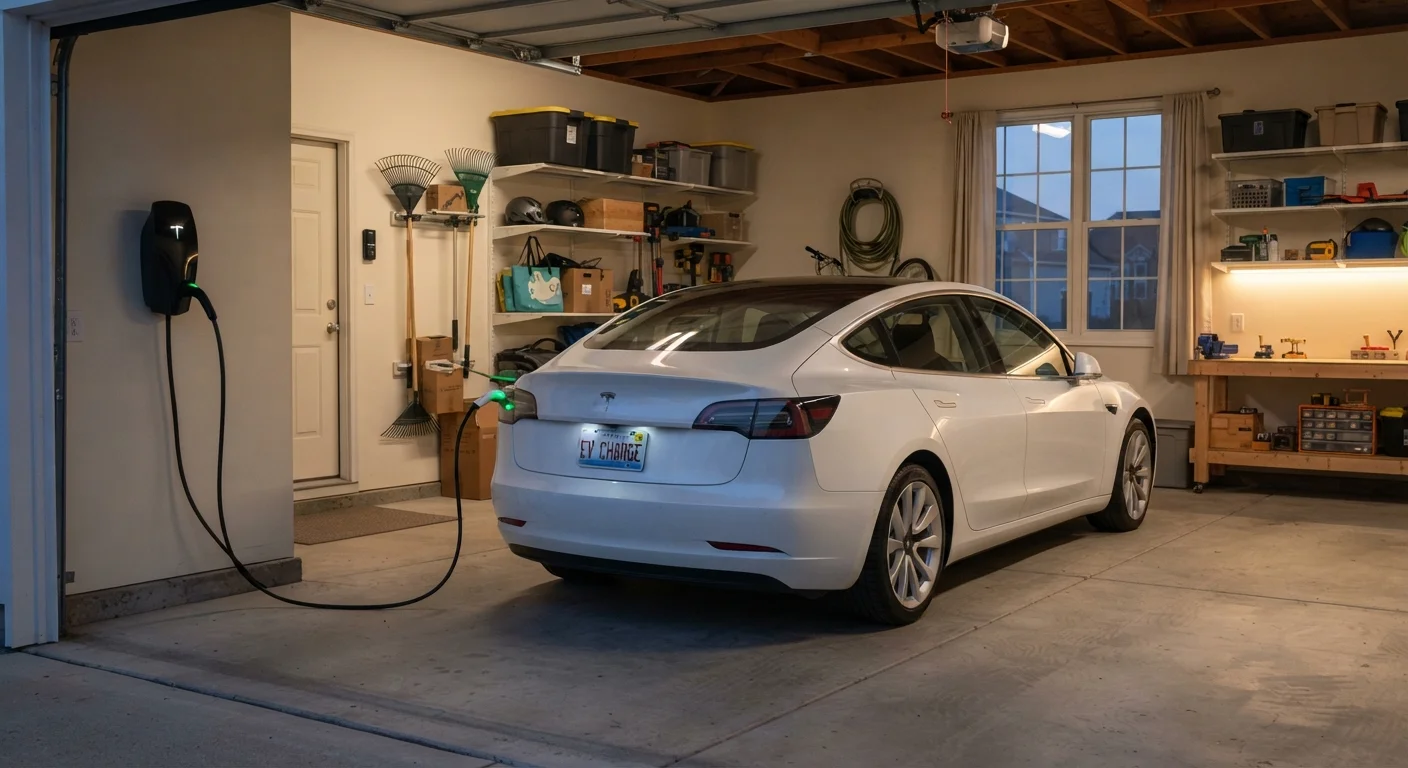
The single biggest behavioral shift for new EV owners is where and when energy is replenished. Gas car drivers pull into a station and fill up in under five minutes. EV owners, by contrast, mostly charge at home - plugging in each evening the same way they charge a phone. For drivers with a garage or dedicated parking, this is often a genuine convenience upgrade: you start every morning with a full charge without ever making a detour.
Public charging is available for longer trips, but it requires planning in a way that gas stations don't. DC fast chargers (the quickest public option) can add significant range in 20-40 minutes, while slower Level 2 public chargers are better suited to shopping or dining stops. Understanding the difference between charging types helps set realistic expectations - see how AC and DC charging work for a full breakdown.
Drivers who live in apartments or rely on street parking face a genuine obstacle: reliable home charging is harder to arrange, and public charging becomes more central to daily life. Rural EV ownership presents its own layer of complexity where charging gaps are more pronounced.
Set a Nightly Charging Routine Early
Treating your EV like a smartphone - plugging in when you get home - is the single habit that makes electric ownership feel seamless. Most home chargers allow you to schedule charging for off-peak electricity hours, which can lower your energy costs if your utility offers time-of-use rates. Check with your electricity provider about available EV charging rate plans before assuming standard pricing applies.
Maintenance: What Disappears and What Stays
Gas engines contain hundreds of interdependent moving parts - pistons, belts, valves, exhaust components - each requiring periodic service. Electric drivetrains are mechanically simpler. Oil changes, spark plugs, and transmission fluid services don't apply to a battery-electric vehicle. Regenerative braking (which recovers energy while slowing the car) also reduces wear on brake pads compared to conventional friction braking alone.
That said, EVs aren't maintenance-free. Tires, cabin air filters, windshield wipers, and coolant systems still need attention. Battery health monitoring is a new responsibility gas drivers don't face - though most manufacturers offer multi-year battery warranties. For a detailed look at what the service schedule actually looks like, EV maintenance differences compared to gas cars covers the specifics.
| Electric Vehicle | Gas Vehicle | |
|---|---|---|
| Primary refueling location | Home or public charger | Gas station |
| Refueling time (typical) | Hours (home); 20-40 min (DC fast) | Under 5 minutes |
| Oil changes required | No | Yes, regularly |
| Brake wear rate | Slower (regenerative braking assists) | Standard wear rate |
| Fuel cost per mile | Generally lower (varies by region) | Higher on average |
| Long-distance convenience | Requires charging stop planning | Refuel nearly anywhere |
| Cold weather performance impact | Noticeable range reduction | Minimal fuel range impact |
| Battery-specific maintenance | Yes (monitoring, warranty coverage) | No (12V battery only) |
Cost Structures: Energy, Insurance, and Incentives
Energy cost per mile is typically lower for EVs than for gas vehicles, though the margin depends heavily on local electricity rates and current gasoline prices. The U.S. Department of Energy's data has historically shown electricity to be a cheaper fuel per mile in most regions, but this isn't universal - electricity pricing varies significantly by state and even by time of day if a utility uses variable-rate plans.
Insurance can run higher for EVs, partly because repair costs and parts availability differ from conventional vehicles. How EVs affect insurance coverage explains the factors that can influence policy structure. Federal tax incentives may offset purchase costs for eligible buyers and vehicles - how federal EV tax credits are structured offers general education on the framework, though individual eligibility requires professional tax guidance.
~40 miles
Average US daily driving distance
According to the U.S. Federal Highway Administration, most American drivers travel well under 40 miles per day - within the range of nearly all current EVs.
30-50%
Potential fuel cost savings per mile
The U.S. Department of Energy has estimated electricity can cost 30-50% less per mile than gasoline in many U.S. regions, though local rates vary considerably.
Range, Planning, and Lifestyle Fit
Most current EVs offer EPA-estimated ranges between 200 and 350 miles on a charge - sufficient for the vast majority of daily American driving, which the U.S. Federal Highway Administration consistently places below 40 miles per day for most drivers. The challenge emerges on road trips, where charging stop timing and station availability require advance planning that gas drivers rarely think about.
Real-world range also fluctuates with temperature, highway speeds, and climate control use - more so than gasoline vehicles. Cold weather can meaningfully reduce battery output. These aren't reasons to avoid EVs, but they are factors to weigh honestly against your actual driving patterns. If you're evaluating your options more broadly, comparing all-electric and plug-in hybrid powertrains may help clarify the tradeoffs. For those just beginning the process, what first-time EV buyers need to know is a practical starting point.
Don't Underestimate Charging Infrastructure Gaps
Public fast-charging networks have expanded significantly, but coverage is uneven - rural corridors, smaller cities, and certain regions still have meaningful gaps. Before committing to an EV, map your most common long-distance routes against available charging infrastructure. Relying entirely on public charging without home access can make daily ownership considerably more complicated.